Behind the Ear Hearing Devices Everything You Need to Know Before You Buy
Explore behind the ear hearing devices: how BTE hearing aids work, types, benefits, who they suit, features, care tips and how to choose the right one.
Book a Free Consultation
We'll call you back. Your details are safe with us.
 -46%
 -5%
 -11%-26%-14%-14%
 -9%
 -6%
If conversations sound muffled, the television volume keeps creeping up, or restaurants feel impossible to follow, you are not alone. Hearing loss affects millions of adults, and modern hearing technology has never been more powerful, discreet or easy to use. Among all the styles available, behind the ear hearing devices remain one of the most popular and versatile choices for people of nearly every age and hearing profile.
This guide explains what behind the ear hearing devices are, how they work, the main types, who benefits most and what to check before you buy, so you can speak to your audiologist with confidence.
What Are Behind the Ear Hearing Devices?
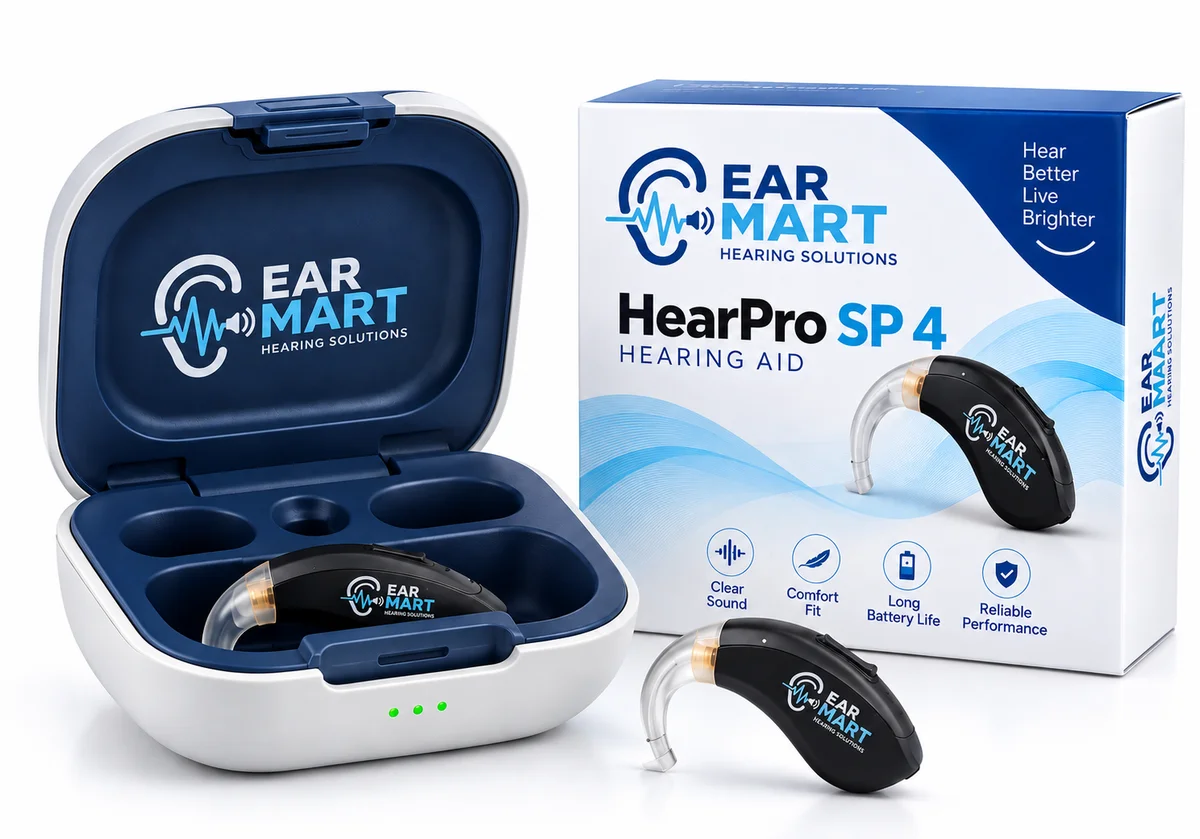
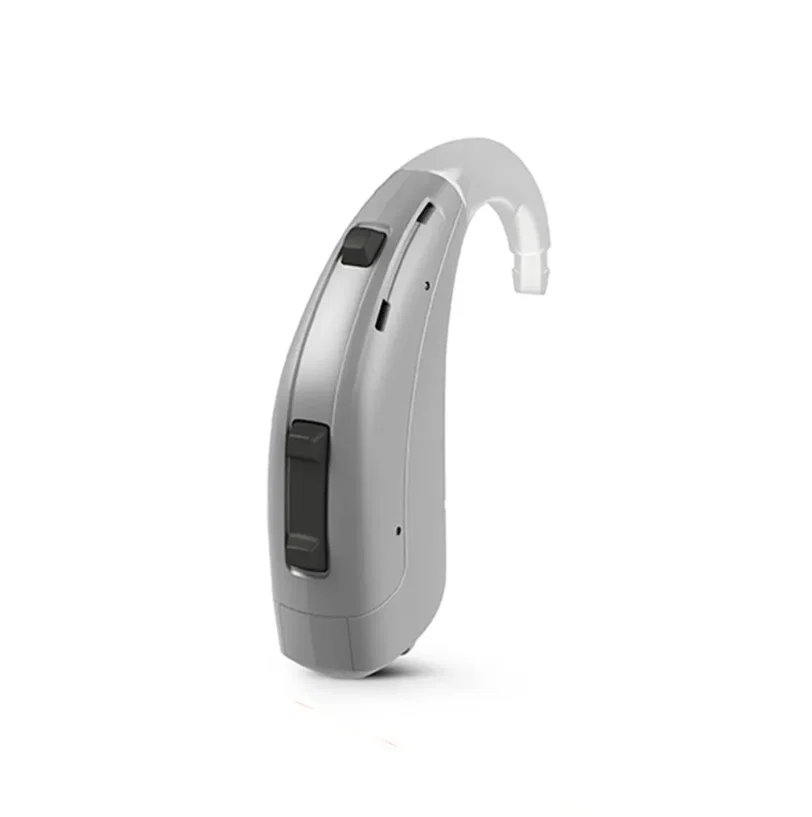
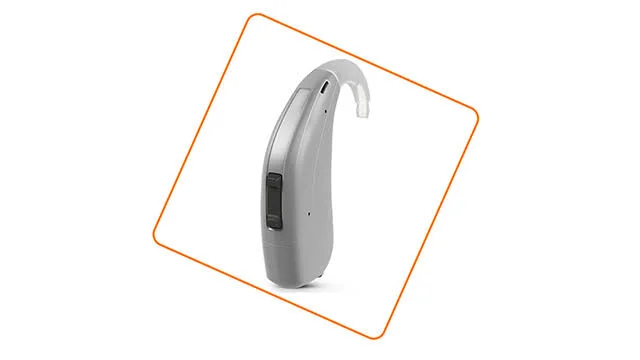
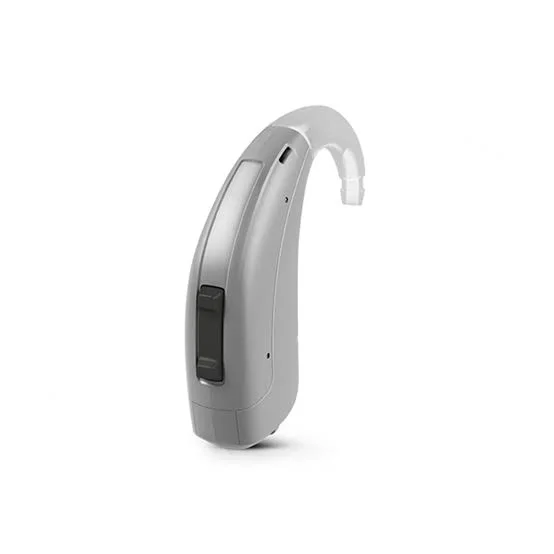
Behind the ear hearing devices, usually called BTE hearing aids, are small electronic instruments that rest comfortably behind the outer ear. A slim, clear tube or thin wire carries amplified sound from the device into the ear canal, where it is delivered through a soft dome or a custom earmould. An earmould is a piece of soft plastic or silicone shaped from an impression of your ear, which helps sound travel efficiently and keeps the device secure.
Because the electronics sit outside the canal, BTE devices can hold larger batteries, stronger amplifiers and more advanced features than many in-the-ear styles. That is why audiologists recommend them for everything from mild to profound hearing loss.
How Do Behind the Ear Hearing Aids Work?
Every BTE hearing aid is built around a microphone, a processor, an amplifier and a receiver, which is the tiny speaker. The microphone captures sound and converts it into a digital signal. The processor analyses that signal, separates speech from background noise, softens sudden loud sounds and shapes the volume to match your personal hearing test results. The amplifier boosts the pitches you struggle to hear, and the receiver delivers the clearer sound into your ear.
Modern digital models make thousands of adjustments every second. Many also use directional microphones that focus on the voice in front of you, plus automatic programs that switch between quiet rooms, busy streets and music without any effort from you.
Signs You May Need a Hearing Device
Consider a hearing check if you often ask people to repeat themselves, struggle to follow conversations in noisy places, turn the television up louder than others prefer, find that voices sound mumbled, or feel tired after social events. Ringing in the ears and difficulty hearing on the phone are further warning signs. Early support protects communication, confidence and relationships, so there is no benefit in waiting.
Main Types of Behind the Ear Hearing Devices
Not all BTE devices look or perform the same. These are the main categories.
Standard BTE Hearing Aids
The classic design has a slightly larger case and sends sound through a tube to a custom earmould. It is the most robust option and suits moderate to profound hearing loss. Bigger controls and batteries also make it easier to handle, and most models include a volume control and program button.
Mini BTE and Open-Fit Hearing Aids
These slim, near-invisible models use a very thin tube and a small dome that leaves the ear canal open. Natural sound enters alongside amplified sound, which reduces the blocked-up feeling and works well for mild to moderate high-frequency hearing loss.
Receiver-in-Canal (RIC) Hearing Aids
In a RIC or RITE device, the speaker sits inside the ear canal and a fine wire connects it to the part behind the ear. This gives natural sound quality in a compact, comfortable form, and it is one of the most popular styles today.
Power BTE Hearing Aids
Designed for severe to profound hearing loss, power models deliver extra amplification and often use a custom earmould for a secure fit and to prevent whistling feedback.
Rechargeable BTE Hearing Aids
Many current models use lithium-ion batteries that charge overnight, so there are no tiny batteries to replace. This is especially helpful for people with limited dexterity.
Benefits of Behind the Ear Hearing Devices
Suitable for many hearing levels. One style family covers mild, moderate, severe and profound hearing loss.
Powerful and durable. Larger cases hold stronger amplifiers and sturdier components, giving a long working life.
Easy to handle. Bigger buttons, battery doors and charging contacts are simpler to use, especially for older adults.
Less exposure to earwax and moisture. The electronics stay outside the ear canal, which often means fewer repairs.
Advanced connectivity. Many models stream calls, music and television audio through Bluetooth and offer app control and telecoil.
Great for children. As a child's ear grows, usually only the earmould needs replacing, not the whole device.
Possible Drawbacks to Know About
No hearing device is perfect. Some people find BTE styles more visible than in-the-canal models, although slim designs and skin-tone colours help. Glasses frames, face masks and hats can feel crowded around the ear, and wind noise or heavy sweating may need extra care. A good fitting and a few small accessories usually solve these issues.
Who Are Behind the Ear Hearing Devices Best For?
BTE devices suit adults and children across nearly the full range of hearing loss. They are particularly useful for people with severe loss, narrow or unusually shaped ear canals, frequent earwax build-up or limited finger dexterity, and for anyone who wants strong wireless connectivity and long-lasting performance.
Features to Look For
When comparing models, check for:
Directional microphones and noise reduction for clearer speech in crowds
Feedback cancellation to prevent whistling
Bluetooth and smartphone app control for calls, music and adjustments
Rechargeable batteries that last a full day
Telecoil for public loop systems in theatres and places of worship
Tinnitus support sounds if you experience ringing in the ears
Dust and water resistance, shown by an IP rating
Multiple programs for different listening environments
Latest Technology in BTE Hearing Devices
Today's BTE hearing aids are far more than simple amplifiers. Artificial intelligence and machine learning help devices recognise speech patterns, learn your preferences and adapt to new places automatically. Some models also offer fall detection, activity tracking or live translation through a paired app. Software updates mean features can improve long after purchase.
BTE vs ITE and CIC Hearing Aids
In-the-ear (ITE) and completely-in-canal (CIC) devices are smaller and less visible, but their compact size limits battery capacity, power and features, and they are more exposed to earwax. BTE devices trade a little discretion for greater power, longevity and easier handling. If your loss is mild and appearance is your top priority, a smaller style may work; for most other needs, BTE is hard to beat.
How to Choose the Right Behind the Ear Hearing Device
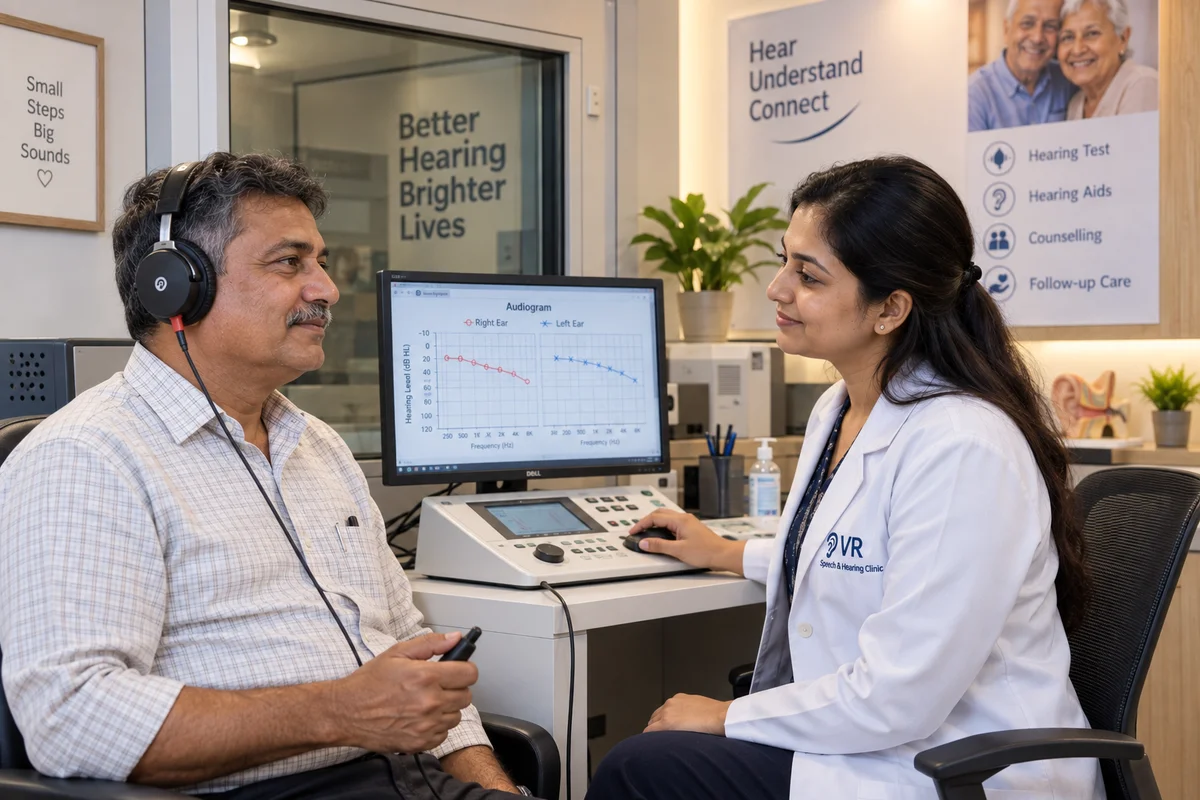
Start with a hearing test. A qualified audiologist measures your hearing loss and recommends suitable styles.
Describe your lifestyle. Share how often you attend meetings, travel, exercise or talk on the phone.
Try before you buy. Ask about trial periods so you can test comfort and sound quality in real life.
Check the service package. Fitting, adjustments, follow-up visits and warranty matter as much as the device itself.
Ask about earmoulds and domes. The right fit improves comfort, sound quality and feedback control.
Cost Factors to Consider
Prices vary widely depending on the technology level, brand, rechargeable options and the service package. Basic models cover essential amplification, while premium models add advanced noise management and connectivity. Always ask what is included: fitting sessions, follow-up care, cleaning, warranty length and a trial period. A slightly higher upfront cost with strong aftercare often delivers better long-term value.
Care and Maintenance Tips
Good care extends the life of your devices. Wipe them daily with a soft, dry cloth and store them overnight in a dry case or dehumidifier. Replace domes and tubes as your audiologist advises, keep devices away from hairspray, water and extreme heat, and schedule regular check-ups for professional cleaning and adjustment.
Final Thoughts
Behind the ear hearing devices combine power, comfort and modern features in a design that works for a wide range of people. By understanding the types, benefits and features, and by working with a qualified audiologist, you can find a device that brings back the sounds you have been missing. If you suspect hearing loss, book a hearing test today. Hearing better is one of the simplest ways to stay connected to the people and moments that matter.
Frequently Asked Questions (FAQs)
1. What are behind the ear hearing devices? They are hearing aids with a small case that sits behind the ear and sends amplified sound into the ear canal through a thin tube or wire and a dome or custom earmould.
2. Are behind the ear hearing aids better than in-the-ear models? Neither is better for everyone. BTE models usually offer more power, longer life and easier handling, while in-the-ear models are smaller and less visible. Your hearing loss, ear shape and lifestyle decide the best fit.
3. Who should use BTE hearing aids? They suit people with mild to profound hearing loss, children, older adults who prefer larger controls, and anyone who wants strong connectivity and durability.
4. Are behind the ear hearing aids noticeable? Standard models are more visible, but mini BTE and RIC styles are very slim and often hard to spot, especially in colours that match your hair or skin.
5. How long do BTE hearing aids last? With regular cleaning and professional check-ups, most last between three and seven years. Earmoulds, domes and tubes need replacing more often.
6. Can I wear BTE hearing aids with glasses? Yes. Many people wear both comfortably. Your audiologist can adjust the placement or suggest a slimmer model to avoid crowding around the ear.
7. Are behind the ear hearing devices good for children? Yes. They are sturdy, adjustable and suitable for growing ears, because the earmould can be replaced as the child grows while the main device stays in use.
8. Do BTE hearing aids come in rechargeable versions? Yes. Many modern BTE and RIC models have built-in rechargeable batteries that charge overnight, so you do not need to change small batteries.