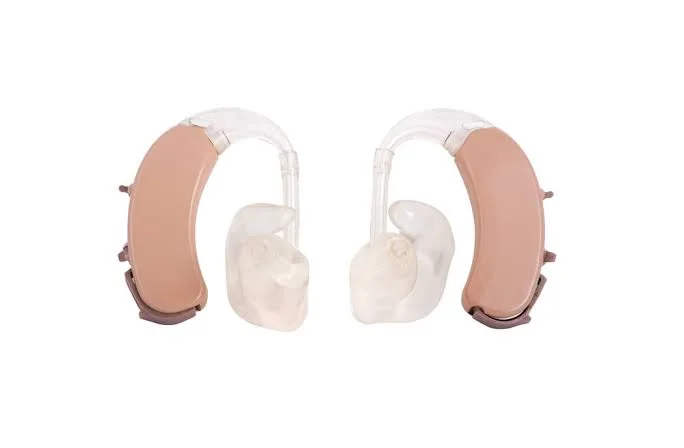
Anthem Hearing Aid Coverage: Plans, Costs & How to Claim
Anthem Hearing Aid Coverage: What Your Plan Pays, What It Doesn’t, and How to Use It
Hearing aids are one of the biggest out-of-pocket health costs adults face, and a single pair can run into the thousands of dollars. That is why “does Anthem cover hearing aids?” is such a common question. The honest answer is that Anthem hearing aid coverage depends on your specific plan. Some Anthem Medicare Advantage plans include generous benefits, many employer and individual plans offer little for adults, and state laws can change the picture in either direction.
This guide explains how Anthem hearing aid coverage works across plan types, what a typical benefit looks like, which providers you may need to use, how to check your own benefits, and what to do if your plan falls short.
Does Anthem Cover Hearing Aids? The Short Answer
Sometimes. Anthem operates as Anthem Blue Cross and Blue Shield in many states and as Anthem Blue Cross in California. It sells many different products, and each one has its own benefit list. Hearing aids are not a guaranteed benefit under any of them. Coverage generally falls into three groups:
Covered: Many Anthem Medicare Advantage plans and some employer plans include a copay or dollar allowance for hearing aids, plus hearing exams and fitting visits.
Partly covered: Some plans pay for the exam but not the device, cover only children, or require a documented medical reason.
Not covered: Some plans exclude hearing aids for adults entirely.
Benefits also change every plan year, so always confirm the details for the year in which you plan to buy.
Anthem Hearing Aid Coverage by Plan Type
Anthem Medicare Advantage Plans
Original Medicare (Part A and Part B) does not cover routine hearing exams or hearing aids. That gap is a major reason people shop for Medicare Advantage, and it is where Anthem hearing aid coverage is most visible. Many Anthem Medicare Advantage plans list hearing alongside dental and vision as an extra benefit.
The details vary widely. Some 2026 Anthem Medicare Advantage HMO-POS plans list $0 in-network copays for the hearing exam, the fitting and evaluation, and prescription hearing aids, and at least one also lists a $0 copay for over-the-counter hearing aids. An employer-sponsored Anthem Medicare Advantage PPO retiree plan lists $0 for hearing aids up to a $1,500 maximum benefit every three calendar years. Yet other Anthem plans, including at least one Anthem Veteran HMO-POS plan, list hearing exams, fittings and hearing aids as not covered. Same company, very different results.
Anthem Employer Group Plans
Some employers add a hearing aid benefit as a fixed allowance that renews every few years. Others leave it out to keep premiums down. Large employers that self-fund their plans are generally not bound by state hearing aid mandates, so your benefits booklet is the final word. Ask your HR team for the summary plan description and search it for the word “hearing.”
Anthem Individual and Family Plans
Federal rules do not require ACA marketplace plans to cover hearing aids for adults. Coverage for children depends mostly on state rules and your state’s benchmark plan. If you buy an Anthem individual plan, assume adult hearing aids are excluded until the plan documents say otherwise.
Medicare Supplement (Medigap)
Medigap plans follow the coverage rules of Original Medicare, so they generally do not pay for routine hearing exams or hearing aids either.
Anthem Medicaid Plans
Medicaid hearing coverage is set by each state. Children enrolled in Medicaid can get hearing aids in every state, but adult benefits differ widely. If you have an Anthem Medicaid plan, read your state-specific member handbook.
What a Typical Anthem Hearing Benefit Looks Like
When a plan does include hearing coverage, the benefit usually has several parts:
Hearing exam: Often a $0 or low copay with an in-network provider.
Fitting and evaluation: Visits to program and adjust the devices.
Hearing aid allowance or copay: Either a dollar cap, such as $1,500, or a set copay per device.
Frequency limit: The benefit may renew every one to three years, and some plans apply the cap per ear while others apply it per pair.
Warranty and trial period: Many benefits include a multi-year warranty and a trial window so you can return devices that do not work for you.
If you choose devices that cost more than your allowance, you pay the difference.
The Anthem Hearing Aid Network: TruHearing and Other Vendors
Many Anthem Medicare plans route hearing aid purchases through a hearing benefit vendor. For some Anthem group retiree Medicare Advantage plans, the vendor changed from Hearing Care Solutions to TruHearing on January 1, 2026. Members on these plans generally must use a participating provider. Out-of-network providers may be required to order hearing aids through the vendor instead of selling their own.
The practical lesson is simple: buying from a clinic that is not part of your plan’s hearing network can leave you paying full price. Confirm the vendor and the provider before you book an appointment.
State Laws That Can Change Your Coverage
More than 20 states require insurers to cover hearing aids for children. Only five states, Arkansas, Connecticut, Illinois, New Hampshire and Rhode Island, require coverage for adults as well, according to the American Speech-Language-Hearing Association. Anthem operates in some of those states, including Connecticut and New Hampshire.
There is one important catch. State mandates apply to fully insured plans. Self-funded employer plans and Medicare Advantage plans follow different rules, so a state law does not guarantee that your specific plan pays.
Prescription vs. Over-the-Counter Hearing Aids
Since October 2022, adults with perceived mild to moderate hearing loss can buy FDA-regulated over-the-counter hearing aids without a medical exam or a prescription. These devices are typically cheaper than prescription models, and some Medicare Advantage plans now list an OTC benefit.
Check how your plan handles them. If your plan only pays when you buy through its vendor, a retail purchase may not be reimbursed. If your plan has no hearing benefit at all, OTC devices can still be a lower-cost starting point.
Common Exclusions and Limits
Even with a hearing benefit, watch for these gaps:
Batteries, chargers, domes and other accessories
Lost, stolen or damaged devices
Repairs after the warranty ends
Replacement before your benefit period renews
Purchases from out-of-network providers or vendors
The cost of upgrades above your allowance
How to Check Your Anthem Hearing Aid Benefit
Log in to your member account. Use the Anthem website or app to open your plan documents.
Read the Summary of Benefits and Evidence of Coverage. Search for “hearing,” “audiology” and “hearing aids.”
Call the number on your ID card. Ask whether the plan covers exams, devices and fittings, what the dollar limit is, how often it renews, and whether you must use a specific vendor or network.
Ask the clinic to verify benefits. Hearing providers handle this daily and can often confirm your out-of-pocket cost before you commit.
Write down the date, the representative’s name and a reference number for any call. It helps if a claim is disputed later.
How to Use Your Benefit, Step by Step
Start with a hearing evaluation from an in-network audiologist or hearing provider. Next, confirm whether prior authorization or a referral is required. Then choose devices that fit your hearing loss, lifestyle and budget, and ask for the final price after your benefit applies. After the fitting, use the trial period to test the devices in real situations and return to the provider for adjustments. Keep every receipt and the warranty paperwork.
What to Do If Anthem Denies Your Claim
A denial is not always the end. Read the notice carefully and note the stated reason and the deadline. Ask your provider to check that the claim was coded and submitted correctly, because simple billing errors are common. If the denial stands, file an internal appeal with a short letter, your audiology records and any proof that the service is covered. For many plans you can request an independent external review if the internal appeal fails. Medicare Advantage members have their own reconsideration process, which the denial notice explains.
Ways to Lower Hearing Aid Costs Without Coverage
Use an HSA or FSA. Hearing aids and batteries generally qualify as medical expenses.
Compare prices. Independent clinics, warehouse clubs and online retailers price devices very differently.
Consider OTC models if your hearing loss is mild to moderate.
Ask about payment plans and bundled pricing that includes fittings and follow-up care.
Look for financial help. Nonprofits, service clubs, state programs and Medicaid may help eligible people.
Track your expenses. Unreimbursed medical costs may be tax deductible if they exceed the IRS threshold.
Compare Hearing Benefits Before You Enroll
If hearing aids matter to you, compare plans on hearing benefits before you choose. The Medicare Annual Enrollment Period runs from October 15 to December 7 each year. Look at the dollar limit, the renewal timeline, the required network and whether the plan covers OTC devices. A plan with a $0 premium and no hearing benefit may cost more in the long run than one with a small premium and strong hearing coverage.
Final Thoughts on Anthem Hearing Aid Coverage
Anthem hearing aid coverage is not one-size-fits-all. Some members enjoy $0 hearing aids through Medicare Advantage, while others have no coverage at all. The smartest move is to read your plan documents, call member services, confirm your network and ask questions before you buy. Taking those steps can save you thousands of dollars and help you get the care you need.
Frequently Asked Questions About Anthem Hearing Aid Coverage
Does Anthem cover hearing aids?
It depends on your plan. Many Anthem Medicare Advantage plans and some employer plans cover hearing aids, while many individual plans do not cover them for adults.
Does Anthem Medicare Advantage cover hearing aids?
Many plans do, often with $0 or low copays or a dollar allowance. Details differ by plan and year, and some plans offer no hearing aid coverage.
How much does Anthem pay toward hearing aids?
It varies. One 2026 employer retiree plan lists $0 for hearing aids with a $1,500 maximum every three calendar years. Your plan may be higher, lower or zero.
Does Anthem cover over-the-counter hearing aids?
Some Anthem Medicare Advantage plans list OTC hearing aids as covered, but many plans do not. Ask before buying so you know whether you can be reimbursed.
Do I need a referral or prior authorization?
Some plans require one, especially HMO-style plans. Call member services or ask your hearing provider to verify the rules.
Can I use my own audiologist?
You can if the provider is in your plan’s hearing network. Some plans require you to buy devices through a specific vendor, such as TruHearing.
How often can I replace my hearing aids?
Many benefits renew every one to three years, though some are longer. Your plan documents list the exact schedule.
Does Anthem cover batteries and repairs?
Batteries and out-of-warranty repairs are often excluded. Check whether your plan or the manufacturer’s warranty covers them.
Does Anthem cover hearing aids for children?
It depends on your state and plan. Many states require insurers to cover children’s hearing aids, but self-funded employer plans may not follow state mandates.
Can I pay for hearing aids with an HSA or FSA?
Yes. Hearing aids and related costs generally qualify as medical expenses for HSA and FSA accounts.


