Best Affordable Hearing Aids in India
Best Hearing Aids Available in India Under an Affordable Price
Hearing loss does not arrive with a loud announcement. It creeps in slowly. You ask people to repeat themselves, turn the TV volume higher, avoid noisy family functions, and start missing phone calls. For millions of Indians, this quiet change affects work, relationships and confidence. The good news is that today you do not need to spend a fortune to hear better. Quality digital hearing aids are now available in India at prices that fit most family budgets.
This guide explains what affordable really means in the Indian market, which types of hearing aids give the best value, what features to look for, and how to avoid common buying mistakes. Whether you are buying for yourself, for your parents or for a grandparent, read this guide fully before you spend your money.
Why Hearing Aid Prices Vary So Much in India
If you search online, you will see hearing aids priced from a few thousand rupees to several lakhs. This wide range confuses many buyers. The price depends on four main things.
First, the technology level. A basic digital hearing aid amplifies sound and reduces simple background noise. A premium device uses advanced chips, artificial intelligence, multiple directional microphones, Bluetooth streaming and automatic environment detection.
Second, the style. Small custom devices that sit inside the ear canal usually cost more than larger behind-the-ear models because miniaturisation needs more engineering.
Third, the number of channels. Channels divide sound into frequency bands so the device can tune itself to your exact hearing loss. More channels allow finer tuning.
Fourth, the service that comes with the device. Audiological testing, fitting, programming, follow-up visits, warranty and repair support all add real value, even though they are not visible in the box.
Understanding this helps you see that the cheapest product is not always the best value, and the most expensive product is not always what you need.
What Is an Affordable Price for Hearing Aids in India?
As a general idea, the Indian market can be divided into rough price bands. These are approximate ranges and actual prices change with brand, model and offers, so always confirm the current price before buying.
Entry level devices, roughly from Rs 8,000 to Rs 25,000 per ear, usually include simple digital processing, a few channels and basic noise reduction. These suit mild to moderate hearing loss and quiet daily routines.
Mid range devices, roughly Rs 25,000 to Rs 60,000 per ear, offer better speech clarity in noise, more channels, feedback control, rechargeable options and sometimes Bluetooth. For most working adults and active seniors, this band gives the best balance of performance and cost.
Premium devices, above Rs 60,000 per ear, offer the most advanced sound processing, smartphone control and fine tuning for complex listening situations.
For most families searching for affordable hearing aids, the sweet spot is the upper entry level and lower mid range. Here you get reliable digital performance without paying for features you may never use.
Types of Hearing Aids Available in India
Choosing the right style matters as much as choosing the right price.
Behind-the-ear (BTE) hearing aids
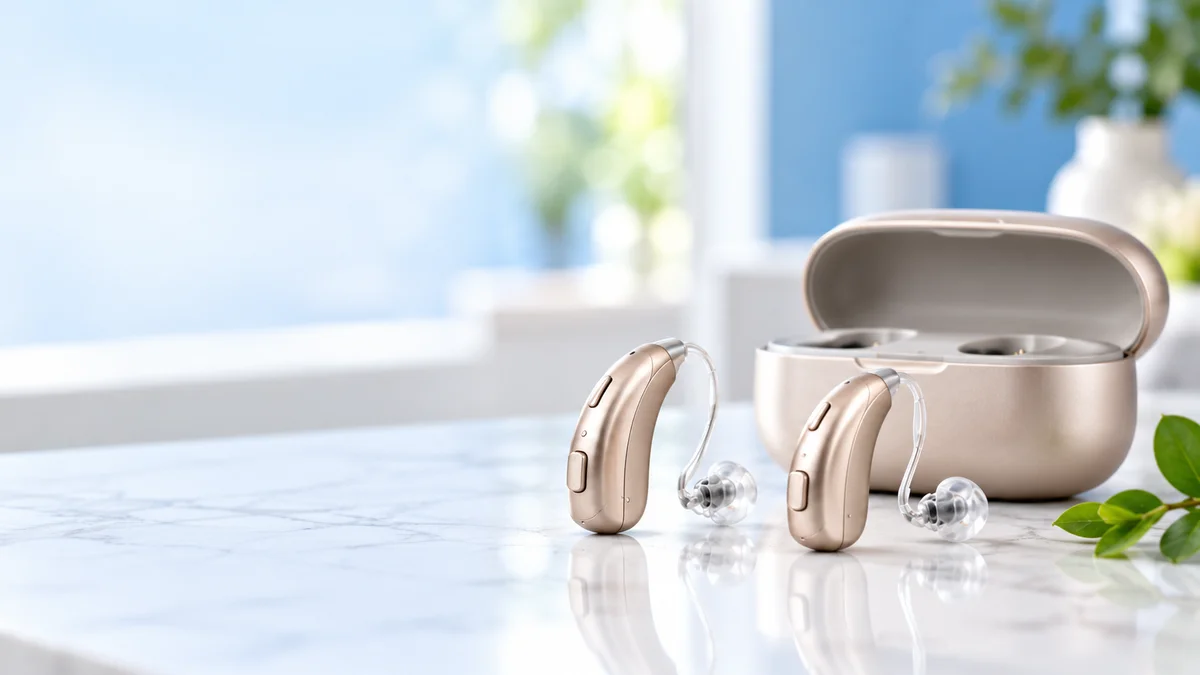
BTE devices sit behind the ear and send sound through a small tube or thin wire into the ear. They are the most popular choice in India for good reasons. They are strong, easy to handle, easy to clean, usually cheaper and suitable for mild to profound hearing loss. They are an excellent option for senior citizens who find tiny buttons and batteries difficult.
Receiver-in-canal (RIC) hearing aids
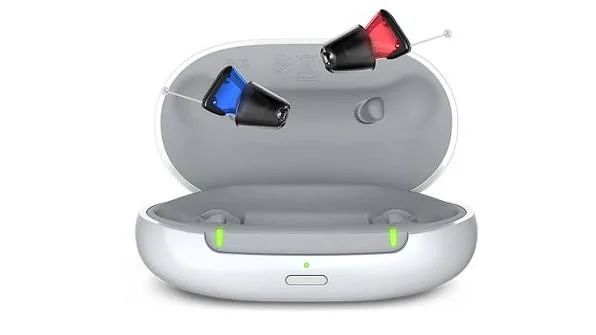
RIC devices are small and discreet. The speaker sits inside the ear canal, which gives natural, clear sound. They are slightly costlier than basic BTE models but very popular with working professionals who want comfort and a neat look.
In-the-ear (ITE) and completely-in-canal (CIC) hearing aids
These custom made devices sit inside the ear and are almost invisible. They suit mild to moderate loss. Because they are small, they have smaller batteries and fewer controls, and they cost more than basic BTE models.
Pocket or body worn hearing aids
These are older style devices with a small box carried in a pocket and a wire to the ear. They are very low cost and strong, and some people with severe loss and limited budgets still use them. However, modern BTE devices offer much better sound quality and comfort.
Rechargeable hearing aids
Rechargeable models remove the need to buy tiny batteries every week. A full charge usually lasts a full day. They are very convenient for elderly users and are now available even in the mid range category.
Key Features to Look For When Buying on a Budget
You do not need every feature, but certain features are worth prioritising.
Digital processing. Always choose a fully digital device. Old analog devices simply make everything louder, including noise, which is tiring and uncomfortable.
Noise reduction. Indian homes, markets, roads and festivals are noisy. A device with good background noise control helps you follow speech more easily.
Feedback cancellation. That annoying whistling sound is called feedback. Good devices suppress it automatically.
Multiple programs. Different settings for quiet rooms, conversation, crowds and phone calls make daily life easier.
Telecoil or Bluetooth. If you use your phone often, this helps you hear calls and videos more clearly.
Battery type. Decide between disposable batteries and a rechargeable option based on convenience, your daily routine and how comfortable the user is with handling small parts.
Durability. Dust, sweat and humidity are everyday realities in India. Look for devices with good resistance and a solid warranty.
Top Brands to Consider in India
Several global and Indian brands offer good value hearing aids in the country. Trusted names include Signia, Phonak, Widex, Oticon, Starkey, ReSound and a number of reliable Indian and Asian brands that focus on budget friendly products. Each brand has entry level models designed for price sensitive buyers.
Instead of choosing a brand by name alone, focus on three things: the model’s technology level, how well it suits your hearing test results, and the quality of after sales support in your city. A well fitted entry level device from a reputed brand will almost always perform better than an expensive device that is badly programmed.
Why a Hearing Test Comes Before Buying
Many people buy hearing aids online or from a shop without testing their hearing. This is the biggest mistake. Hearing loss differs from person to person. Some people lose high pitched sounds first, so they hear voices but cannot understand words. Others have loss across all pitches. Some have loss in one ear only.
A proper audiogram, which is a hearing test done by a qualified audiologist, shows the type and degree of your loss. It tells you whether you need one hearing aid or two, what power level you need and whether a medical problem, such as ear wax, infection or fluid, is causing the problem. In some cases, medical treatment rather than a hearing aid is the right answer.
Never buy a hearing aid without knowing your audiogram. Programming the device to match your test results is what makes it truly work for you.
One Hearing Aid or Two?
If you have hearing loss in both ears, using two hearing aids is usually better. It helps you locate where sounds come from, understand speech in noise and reduces listening effort. Two devices can also let each one run at a lower volume, which many users find more comfortable.
If your budget is tight, some people start with one device and add the second later. Discuss this honestly with your audiologist. Your hearing test results will guide the best decision.
Hearing Aids for Senior Citizens
Elderly users have special needs. Look for large, easy to handle devices, simple controls, a loud and clear battery indicator and, if possible, a rechargeable option. BTE devices are usually ideal. Family members should also learn how to clean, charge and place the device, because regular support helps the user keep wearing it.
Patience matters. The brain needs time, often a few weeks, to adjust to hearing sounds it has not heard for years. Wearing the device a little more each day gives the best long term results.
Smart Tips to Save Money Without Losing Quality
Compare total cost, not just the device price. Ask what is included: testing, fitting, follow up, warranty, battery or charger and servicing.
Look for trial periods. A trial lets you test the device in your real daily life before you commit. This is one of the best protections for your money.
Ask about EMI options. Many sellers now offer easy monthly payment plans that make good quality devices affordable.
Check for government schemes. Some state and central programmes and disability schemes provide support or subsidised devices for eligible people. Ask your audiologist or local health office about what applies to you.
Avoid unrealistic claims. Be careful of products that promise to cure hearing loss or cost only a few hundred rupees. Simple sound amplifiers and personal sound devices are not the same as medically fitted hearing aids, and they can even harm your hearing if used wrongly.
Buy from a place that offers service. A hearing aid is not a one time purchase. It needs cleaning, adjustment and occasional repair. A seller with a local service network saves you trouble later.
Common Mistakes to Avoid
Buying only on price. The cheapest device may not match your hearing loss.
Skipping the hearing test. Without an audiogram, any device is a guess.
Ignoring follow up visits. Fine tuning after the first few weeks makes a big difference.
Expecting perfect hearing on day one. A hearing aid helps you hear better, but it takes time to adapt.
Not cleaning the device. Ear wax and moisture are the top causes of hearing aid problems in India. Clean the device daily as your audiologist shows you.
How EarMart Helps You Choose the Right Hearing Aid
At EarMart, the focus is on helping Indian buyers find hearing solutions that match their needs and budget. You can explore a range of hearing aids across different price levels, compare styles such as BTE, RIC and rechargeable models, and get guidance on what suits your hearing loss and lifestyle. Choosing a trusted source that offers clear information, fair pricing and after sales support makes the whole journey easier, from the first question to long term use.
Before you decide, note down your budget, your daily environment, whether the user is a senior citizen or a working adult, and any test reports you already have. This makes it much simpler to get the right recommendation.
Quick Buying Checklist
Get a hearing test done first.
Decide your realistic budget per ear.
Choose a digital device with noise reduction and feedback control.
Pick a style that the user can handle easily.
Ask about trial period, warranty and EMI.
Confirm that servicing is available in your city.
Plan follow up visits for fine tuning.
Final Thoughts
Affordable hearing aids in India are no longer a compromise. Good digital technology now reaches entry level and mid range devices, and with the right test, the right fitting and the right support, you can enjoy clear conversations again without breaking your budget. Do not wait for hearing loss to get worse. Early action protects your communication, your safety and your relationships.