Best Hearing Aids Canada 2027: Prices, Types & Funding
Best Hearing Aids in Canada (2026): Prices, Types, Funding and Where to Buy
Hearing aids in Canada are a serious health purchase, and the market can feel confusing. Prices swing by thousands of dollars, funding depends on your province, and everyone from warehouse clubs to optical chains now sells hearing devices. This guide explains what hearing aids cost, which brands and styles are worth considering, whether Medicare or provincial programs help, how to find free hearing aids for seniors, and where to get a hearing test and a safe fitting. Whether you are noticing early signs of hearing loss or helping a parent, use it as a checklist before you spend a dollar.
How Much Do Hearing Aids Cost in Canada?
Hearing aid cost in Canada depends on the technology level, the style and where you buy. A single device typically costs between $1,000 and $4,000, so a pair can range from $2,000 to $8,000. The channel matters as much as the brand. Canadian pricing survey data shows Costco averaging about $1,674 per pair, ENT offices around $2,701, national chains about $3,403 and local private clinics about $3,601.
Most clinics sort hearing aids into three tiers:
Entry level: handles quiet conversation with basic noise reduction, and carries the lowest hearing aid prices.
Mid-range: better speech clarity in restaurants, Bluetooth streaming and rechargeable options.
Premium: advanced noise management, tinnitus therapy and extra smart features, at the highest cost of hearing aids.
Always ask whether the quote is bundled. A fair price should include the hearing test, fitting, follow-up adjustments, cleaning, warranty and a trial period. Some clinics spread the cost over time, with plans that work out to about $5 per day. Compare the total package, not just the sticker price.
Phonak Hearing Aids Price List: What to Expect
Phonak is one of the most recommended brands, so many shoppers search for a Phonak hearing aids price list. Clinics set their own retail prices, so there is no single fixed national list. Pricing guides often place Phonak between about $3,500 and $10,000 per pair, with flagship models at the top. Entry-level Phonak models cost much less than premium ones. Ask each clinic for an itemized quote that names the exact model, the technology tier and the services included.
Horizon Hearing Aids Cost and Other Brand-Specific Searches
Many people search for a specific line, such as Horizon hearing aids cost. Whatever the model name, the same rule applies: price follows the technology tier and the service package, not the brand name alone. Ask for the model number, battery type, warranty length, trial period and what follow-up care is included. Then get at least two or three quotes before you decide.
What Are the Best Hearing Aids in Canada?
The best hearing aids in Canada are the ones that match your hearing loss, lifestyle and budget and are fitted well. Leading manufacturers sold through Canadian clinics include Phonak, Oticon, Signia, Widex, ReSound, Starkey and Unitron, which was founded in Ontario. Costco and some other retailers also carry their own or partner brands, and those lineups change over time.
When you compare models, look at these features:
Rechargeable batteries, which are easier for seniors with arthritis or poor eyesight
Bluetooth streaming for phone calls, TV and video calls
Directional microphones and AI noise reduction for restaurants and group conversations
Tinnitus masking or sound therapy
Remote adjustments, so your clinician can fine-tune settings without a visit
Telecoil support for public venues with hearing loops
If you are searching for the best hearing aids for seniors, prioritize simple controls, a comfortable fit, easy cleaning and excellent speech clarity in noise. When you read hearing aids reviews, remember that fitting quality often matters more than brand. A mid-range device programmed carefully by a skilled professional can outperform a premium device that is poorly adjusted. Choose a clinic that offers a written trial period, free adjustments and a clear return policy.
Hearing Aid Styles: In the Ear, Clear and Bone Conduction
In the Ear Hearing Aids
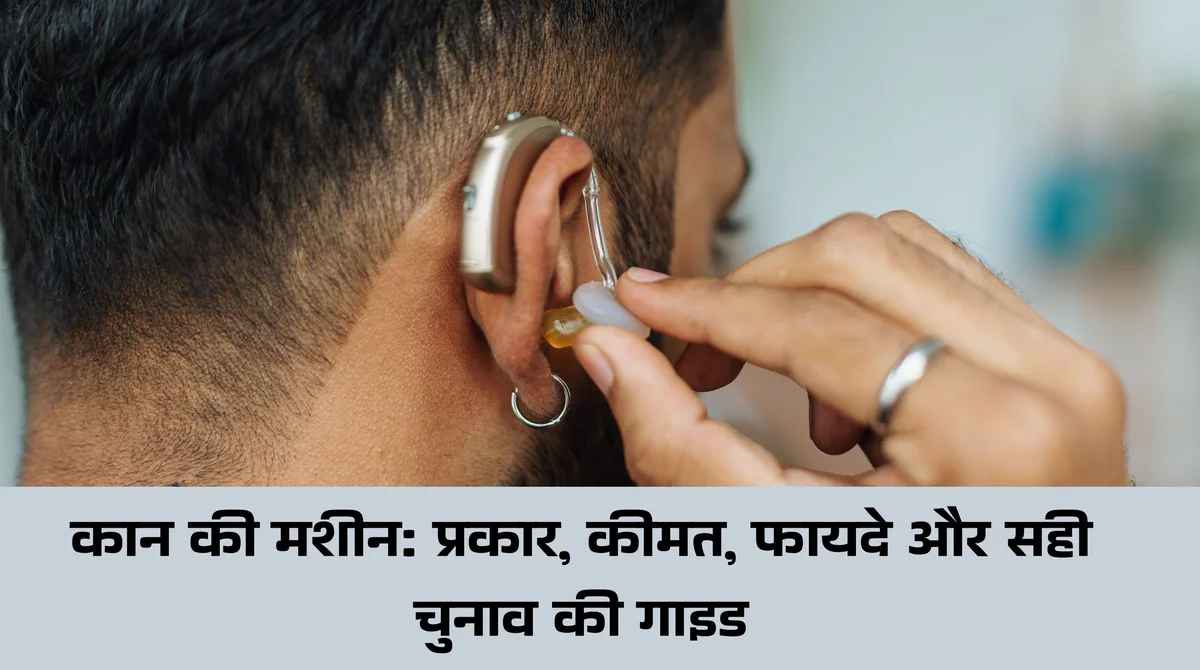
In the ear hearing aids are custom-molded to fit inside your ear. Full-shell models are easier to handle and can hold a larger battery and more features. Smaller in-the-canal and completely-in-canal styles are more discreet but have tiny controls and less room for advanced features. They can also be harder to clean, and earwax can clog them. Receiver-in-canal and behind-the-ear models remain the most popular overall, because they suit a wide range of hearing losses.
Clear Hearing Aids
When people search for clear hearing aids, they usually want a nearly invisible device. The most hidden options sit deep in the ear canal, while slim receiver-in-canal models use a thin, transparent tube. Discreet styles work best for mild to moderate loss. If your loss is more severe, a slightly larger device may give better sound and be easier to use.
Bone Anchored and Bone Conduction Hearing Aids for Seniors
Bone anchored hearing aids work differently. They send sound vibrations through the skull directly to the inner ear, bypassing the outer and middle ear. They are mainly used for conductive or mixed hearing loss, chronic ear infections, malformed ear canals or single-sided deafness. Some systems are surgically implanted, while others use a soft band or adhesive pad with no surgery. Bone conduction hearing aids for seniors are not the usual first choice for age-related hearing loss, so you will need an assessment by an audiologist or ear, nose and throat specialist. Sports headphones that use bone conduction are not medical hearing aids.
Are Hearing Aids Covered Under Medicare in Canada?
In Canada, Medicare refers to the public health insurance run by each province or territory. Hearing aids are generally not included. One Manitoba official explained that hearing aid coverage falls outside the Canada Health Act, so provinces are not required to provide it. Help comes instead from separate programs:
Ontario: The Assistive Devices Program covers up to 75% of the cost of a hearing aid for eligible residents, to a maximum of $500 per aid.
Alberta: Albertans become eligible for seniors’ hearing aid funding on the first of the month after their 65th birthday.
Other provinces and territories: Programs, amounts and eligibility rules differ, so check your provincial health ministry or ask a clinic.
Federal and special programs: Eligible veterans may receive hearing care benefits through Veterans Affairs Canada. Workers’ compensation boards can cover work-related noise loss, and Non-Insured Health Benefits support eligible First Nations and Inuit clients.
Private insurance: Many plans pay a set amount toward hearing aids at repeating intervals, commonly every three or five years.
Readers outside Canada often search the same phrases. In the United States, Original Medicare generally does not cover routine hearing aids, although some Medicare Advantage plans include a hearing benefit. The Hearing Services Program is an Australian government scheme, and Canada has no single national equivalent. Canadians should look to their province’s program instead.
Free Hearing Aids for Seniors: What Is Actually Available?
Free hearing aids for seniors are limited in Canada, so be careful with ads that promise them. Fully funded devices are mainly available to eligible veterans, people with work-related hearing loss, some First Nations and Inuit clients, and people on certain disability or social assistance programs. Seniors in other situations usually receive partial funding, and the amount depends on the province. Charitable foundations and service clubs sometimes offer grants too, so ask your audiologist or local seniors’ centre.
A free hearing test is common and legitimate. A free hearing aid usually comes with conditions, so read the fine print before signing anything.
Where to Buy Hearing Aids: Costco, Specsavers, Walmart, Amazon and Clinics
Costco. Costco hearing aids for seniors are popular because of their lower average pricing, though you need a membership and the model selection is narrower than at private clinics.
Hearing clinics. HearingLife describes itself as Canada’s largest group of hearing centres. Other well-known options include Connect Hearing, Amplifon, Beltone and independent audiology practices. Independent clinics may offer a wider range of brands and more personalized care.
Specsavers. The optical chain has expanded quickly in Canada, with more than 270 stores nationwide. Some locations list hearing aids and services, but availability varies, so confirm with your local store.
Walmart and Amazon. Most low-cost devices sold on shopping sites and in big-box stores are hearing amplifiers, not hearing aids. Health Canada has said that amplifiers are not medical devices, while true hearing aids are Class II medical devices that need a licence. That means cheap amplifiers are not tested or fitted the way hearing aids are. apple
When you search for hearing aids near me, look for a licensed audiologist or hearing instrument practitioner, check their regulatory college registration, and in Ontario confirm they are an authorized ADP vendor if you want funding.
Hearing Amplifiers for Seniors vs Hearing Aids
Hearing amplifiers for seniors make all sounds louder, including background noise. They are not programmed to your hearing test and are not meant to treat diagnosed hearing loss. They may help someone who wants a little extra volume for TV or birdwatching, but they are not a substitute for a professional fitting.
Over-the-counter hearing aids are a developing area. Health Canada issued Class II licences to Apple on December 11, 2024 for the hearing aid and hearing test features on AirPods Pro 2. But provinces regulate who may sell hearing aids. In April 2026, Ontario’s government said it was considering allowing over-the-counter hearing aids, since the province currently bans selling hearing aids without a prescription from a doctor or audiologist. Cheap hearing aids may become easier to find, but over-the-counter devices are unlikely to qualify for provincial funding, and they are not designed for severe or one-sided hearing loss.
Start With a Hearing Test
Hearing tests are the first step. Many clinics advertise free hearing tests, and a full assessment by an audiologist can also detect medical causes. See a doctor promptly if you have sudden hearing loss, hearing loss in one ear only, ear pain or drainage, dizziness, or tinnitus that beats with your pulse. Bring a family member to your appointment, because they often notice problems you miss.
How to Choose the Right Hearing Aid
Get a full hearing test and ask for a copy of your audiogram.
Check which provincial, workplace, veteran or insurance benefits you qualify for before you buy.
Get written quotes from at least two or three providers, including Costco and a private clinic.
Ask about the trial period, return policy, warranty, loss and damage cover and follow-up visits.
Choose features for your daily life, not the longest feature list.
Plan for ongoing care, because cleaning and adjustments keep hearing aids working well.
Final Thoughts
The best hearing aids in Canada are the ones you will wear every day, fitted by a professional you trust. Compare prices across channels, check every funding option, be cautious with free offers and amplifiers, and start with a proper hearing test. Prices and programs change, so confirm details with your provincial program and your provider before you buy.
Frequently Asked Questions
How much do hearing aids cost in Canada?
A pair of hearing aids typically costs between $2,000 and $8,000, depending on technology and provider. Costco tends to be lowest and private clinics highest, and a good quote should include fitting and follow-up care.
Are hearing aids covered under Medicare in Canada?
Generally no. Hearing aids sit outside the Canada Health Act, but provincial programs such as Ontario’s ADP and Alberta’s AADL, plus Veterans Affairs Canada, workers’ compensation and private insurance, can cover part of the cost.
Can seniors get free hearing aids in Canada?
Free hearing aids are mostly limited to eligible veterans, some workers’ compensation cases, certain First Nations and Inuit clients and some social assistance recipients. Other seniors may qualify for partial funding.
What is the best hearing aid brand in Canada?
There is no single best brand. Phonak, Oticon, Signia, Widex, ReSound, Starkey and Unitron all make quality devices. The right choice depends on your hearing test, lifestyle and the skill of your fitter.
Are Costco hearing aids good?
Costco offers some of the lowest average prices and a solid return policy. They suit many people, but you will have fewer brands and models than at an independent clinic.
Can I buy hearing aids at Walmart or on Amazon?
You will mostly find hearing amplifiers there. Hearing aids are licensed medical devices that should be fitted to your audiogram by a trained professional.
What is the difference between hearing aids and hearing amplifiers?
Hearing aids are programmed to your specific hearing loss. Amplifiers simply make everything louder and are not intended to treat diagnosed hearing loss.
Do I need a hearing test before buying hearing aids?
Yes. A hearing test shows the type and degree of hearing loss, rules out medical problems and ensures the device is properly programmed.