How to Choose the Right Hearing Aid (2027 Guide)
The Complete Guide to Choosing the Right Hearing Aid in 2027
Choosing the right hearing aid can feel overwhelming. There are dozens of styles, technology levels, and price points, and every brand claims to be the best. The truth is that the best hearing aid is the one that fits your hearing loss, your lifestyle, your ears, and your budget. This 2027 guide from EarMart walks you through each step so you can decide with confidence.
Step 1: Start With a Professional Hearing Test
Before comparing devices, you need to know what you are solving. A hearing test, called an audiogram, shows which pitches and volumes you struggle to hear. It classifies your loss as mild, moderate, severe, or profound, and it reveals whether the loss is in one ear or both.
Skipping this step is the most common mistake buyers make. Hearing aids are programmed to your specific hearing profile, so a device that suits your friend may not suit you. If you notice you often ask people to repeat themselves, turn the TV up, or struggle in noisy restaurants, book a test with an audiologist or hearing care professional.
Step 2: Understand the Main Hearing Aid Styles
Hearing aids come in several designs. Each has strengths and trade-offs.
Behind-the-Ear (BTE). The main unit sits behind the ear and connects to an earpiece. BTE models are durable, easy to handle, and suit mild to profound hearing loss. They often have larger batteries and more controls, which makes them popular with first-time users and people with limited dexterity.
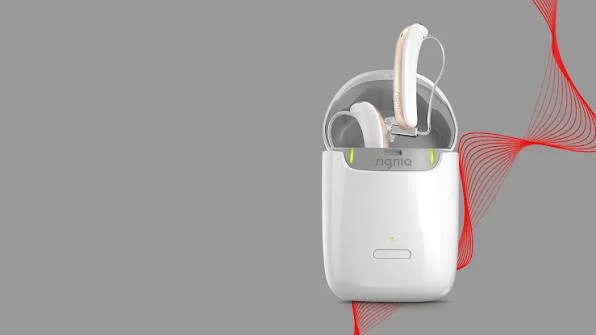
Receiver-in-Canal (RIC). A small casing sits behind the ear, and a thin wire carries sound to a tiny speaker in the ear canal. RIC devices are discreet, comfortable, and offer natural sound quality. They are among the most popular styles for mild to severe loss.
In-the-Ear (ITE). Custom-molded to fill the outer ear, these are easier to see but simple to use, and they often include features such as directional microphones.
In-the-Canal (ITC) and Completely-in-Canal (CIC). These sit mostly or entirely inside the ear canal. They are very discreet but small, so they may have shorter battery life and fewer features. They suit mild to moderate loss.
Invisible-in-Canal (IIC). The smallest option, sitting deep in the canal. It is nearly invisible but not suitable for everyone, particularly people with narrow ear canals or more severe loss.
Step 3: Match the Technology Level to Your Lifestyle
Hearing aids are usually offered in basic, mid-range, and premium technology tiers. Higher tiers generally process sound faster and manage complex environments better. Think honestly about your daily life.
Quiet routines: If you mostly talk one-on-one at home, a basic or mid-level device may be enough.
Active social life: If you attend meetings, family gatherings, or restaurants, advanced noise reduction and directional microphones are worth considering.
Frequent travel or outdoor activity: Look for wind noise reduction and water and dust resistance.
Paying for premium features you will never use wastes money. Under-buying and struggling in noisy places leads to frustration and unused devices.
Step 4: Key Features to Look For in 2027
Hearing technology continues to advance. These are the features worth checking.
Rechargeable batteries. Most modern models offer rechargeable options that last a full day. They are convenient and remove the need to handle tiny disposable batteries. Disposable batteries still make sense if you travel to places without easy charging access.
Bluetooth connectivity. Many hearing aids stream calls, music, and TV audio directly to your ears. Check compatibility with your smartphone, whether Android or iPhone.
AI-assisted sound processing. Newer devices use artificial intelligence to identify speech, reduce background noise, and adapt automatically to your surroundings. This can make conversations in busy places noticeably easier.
Smartphone app control. Apps let you adjust volume, switch programs, and sometimes receive remote adjustments from your hearing professional.
Tinnitus support. If you hear ringing in your ears, some models include sound therapy programs that provide relief.
Telecoil. This small feature connects to compatible loop systems in churches, theaters, and public venues for clearer sound.
Fall detection and health tracking. Some premium models now include motion sensors and wellness features. They are useful extras, but treat them as bonuses rather than the main reason to buy.
Step 5: Set a Realistic Budget
Hearing aids are an investment in your health, communication, and quality of life. Prices vary widely depending on style, technology level, and the services included. When comparing costs, look beyond the sticker price and ask:
Are fitting appointments and follow-up adjustments included?
How long is the warranty?
Does the warranty cover loss or damage?
Are cleaning supplies, domes, and filters included?
Is there a trial period?
Also check whether health insurance, employer benefits, or government schemes in your region offer any support. A slightly higher upfront cost with good aftercare often beats a cheap device with no support.
Step 6: Consider Over-the-Counter vs Prescription Options
In some countries, over-the-counter hearing aids are now available for adults with perceived mild to moderate hearing loss. They can be an affordable starting point for the right person. However, they are not suitable for severe hearing loss, sudden hearing changes, pain, discharge, or hearing loss in only one ear. In those cases, see a medical professional first.
Prescription devices, fitted by a professional, offer more precise programming and tailored support. If your loss is more than mild or your needs are complex, professional fitting is usually the better route.
Step 7: Think About Comfort, Dexterity, and Vision
The best technology is useless if you cannot comfortably use it. Consider:
Dexterity: Can you easily insert the device, change batteries, or press small buttons?
Vision: Are display lights, app screens, or tiny controls easy for you to see?
Ear health: Do you have wax buildup, frequent infections, or sensitive ear canals?
Wearing time: Will you wear them all day? Lightweight, well-fitted models help you stick with them.
Step 8: Use the Trial Period Wisely
Adjusting to hearing aids takes time. Your brain needs weeks to relearn sounds it has been missing. During a trial period:
Wear the devices daily, building up gradually if needed.
Test them in different places, such as home, outdoors, restaurants, and on the phone.
Keep a short note of situations where sound is too loud, too quiet, or unclear.
Return for follow-up adjustments rather than giving up early.
A good provider will fine-tune your devices several times until they feel right.
Step 9: Plan for Ongoing Care
Hearing aids need regular care to perform well. Clean them daily, store them in a dry place, and protect them from moisture. Schedule routine check-ups, since your hearing can change over time. Replace wax guards and domes as recommended. Good maintenance extends the life of your devices and keeps sound quality consistent.
Common Mistakes to Avoid
Buying without a hearing test
Choosing only for size or invisibility
Paying for features you will not use
Ignoring aftercare and warranty terms
Giving up before the adjustment period ends
Waiting years to address hearing loss
Final Thoughts
Choosing the right hearing aid is about matching technology to your life, not buying the most expensive or smallest device. Start with a proper hearing test, understand the styles, prioritize the features that matter to you, set a realistic budget, and commit to the adjustment process. With the right device and good support, you can rejoin conversations, enjoy music, and feel connected again.
At EarMart, we believe everyone deserves clear, confident hearing. Take your time, ask questions, and choose the solution that fits your needs.
FAQs
1. How do I know which hearing aid is right for me?
Start with a professional hearing test. Your audiogram, lifestyle, budget, and ear anatomy together determine the best style and technology level.
2. What is the most popular type of hearing aid?
Receiver-in-canal (RIC) models are widely popular because they combine discreet size, comfort, and natural sound quality.
3. Are expensive hearing aids always better?
Not always. Premium models offer advanced noise handling and extra features, but a mid-range device properly fitted can work very well for many people.
4. How long do hearing aids last?
With good care, most hearing aids last around three to seven years, depending on use, maintenance, and technology updates.
5. Are rechargeable hearing aids worth it?
For most people, yes. They are convenient, reduce battery waste, and typically last a full day on a single charge.
6. Can I buy hearing aids without a prescription?
In some regions, over-the-counter options exist for mild to moderate loss. Rules vary by country, and a professional test is still recommended.
7. How long does it take to get used to hearing aids?
Most people need a few weeks to adjust, and some need a few months. Regular follow-ups help the process.
8. Do I need hearing aids in both ears?
If you have hearing loss in both ears, two devices usually provide better sound localization and speech understanding in noise.