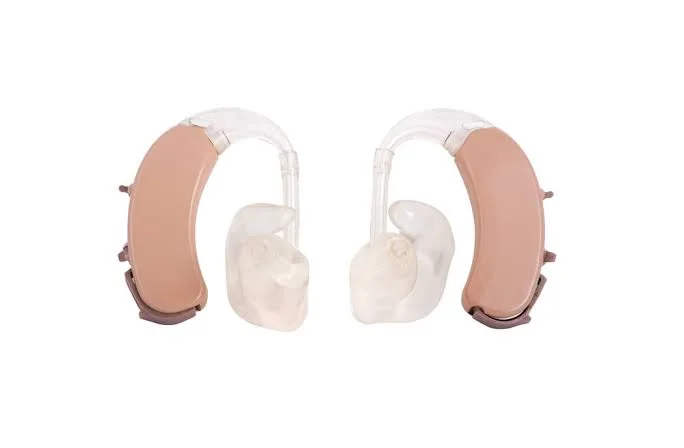
Digital vs Analog Ear Machine in India
Digital vs Analog Ear Machine in India: Which One Should You Buy in 2026?
Choosing an Ear Machine is one of the most important health decisions for someone with hearing loss. Walk into any hearing clinic in India today and you will hear two terms again and again: digital and analog. Many buyers, especially first-timers and families buying for their parents, don’t know the real difference, so they either pick the cheapest model or the most expensive one without knowing what suits them.
This guide explains the digital vs analog ear machine debate in simple language. You will learn how each type works, how they compare on sound quality, price, comfort and features, and which one suits your hearing loss and budget in India.
What Is an Ear Machine?
An ear machine, commonly called a hearing aid or “kaan ki machine” in India, is a small electronic device that makes sounds louder and clearer for people with hearing loss. It has a microphone that picks up sound, an amplifier that processes it, and a receiver (speaker) that delivers it into the ear.
All ear machines follow this basic idea. The difference between analog and digital lies in how the sound is processed in the middle.
What Is an Analog Ear Machine?
An analog ear machine takes the sound from the microphone, converts it into an electrical signal and amplifies it. In simple terms, it makes everything louder. It works like a basic speaker system: sound goes in, gets boosted, and comes out.
Audiologists can adjust analog hearing aids to some extent, usually through a small screw or dial on the device, to match the person’s hearing loss. Some analog models are “programmable,” meaning an audiologist can set them using a computer, but the core processing is still continuous amplification.
Key traits of analog ear machines:
Amplifies all sounds equally, including speech and background noise
Simple design with fewer features
Usually lower in price
Common in basic behind-the-ear (BTE) and pocket models
Easy to operate, often with just an on/off switch and volume wheel
What Is a Digital Ear Machine?
A digital ear machine contains a tiny computer chip. It converts incoming sound into digital code, analyzes it, and then adjusts it before sending it to your ear. This allows the device to separate speech from noise, reduce feedback (whistling), and shape sound according to your exact hearing test results.
Because of this processing power, digital ear machines can do things analog devices simply cannot. Today, almost every modern brand sold in India, such as Signia, Phonak, Oticon, ReSound, Widex and others, focuses on digital technology.
Key traits of digital ear machines:
Converts sound into digital signals for precise processing
Reduces background noise and improves speech clarity
Automatically adjusts to different environments
Available in many styles: BTE, RIC, ITE, CIC and invisible models
Some offer Bluetooth, rechargeable batteries and smartphone apps
How Do Digital and Analog Ear Machines Work Differently?
Imagine you are sitting in a busy Pune market, trying to talk to a friend.
An analog ear machine will make the vendor’s shouting, the traffic and your friend’s voice all louder together. You hear more, but not necessarily more clearly.
A digital ear machine analyzes the sound environment. It identifies speech, lowers steady background noise, and focuses on the voice in front of you. The result is a more natural and comfortable listening experience.
This difference in processing is the main reason digital devices have become the standard recommendation among audiologists.
Digital vs Analog Ear Machine: Detailed Comparison
Feature | Analog Ear Machine | Digital Ear Machine |
|---|---|---|
Sound processing | Continuous amplification | Chip-based digital processing |
Speech clarity | Basic | High |
Background noise control | Very limited | Advanced noise reduction |
Feedback (whistling) control | Poor | Automatic feedback cancellation |
Customization | Limited adjustment | Fine-tuned to your hearing test |
Size and styles | Mostly larger BTE and pocket types | Wide range, including tiny invisible models |
Extra features | Almost none | Bluetooth, apps, rechargeable, directional mics |
Price in India | Low | Low to premium |
Best for | Tight budgets, mild basic needs | Most users, all degrees of hearing loss |
Sound Quality: Which Sounds Better?
Sound quality is where the gap is widest. Analog devices amplify everything, which can make speech sound harsh, boomy or tiring after a few hours. Wearers often complain that restaurants, television and group conversations remain difficult.
Digital ear machines divide sound into multiple channels, often anywhere from 4 to over 40 depending on the model. Each channel can be adjusted separately, so high-pitched sounds like “s,” “f” and “th,” which people with age-related hearing loss often miss, can be boosted without making low sounds uncomfortable.
If clear understanding of speech is your goal, digital is the better choice in almost every case.
Background Noise and Speech Clarity
India is a noisy place: traffic, markets, festivals, family gatherings, pressure cookers and crowded public transport. An ear machine that struggles in noise will frustrate the user.
Digital ear machines offer:
Noise reduction that softens constant background sounds
Directional microphones that focus on the person in front of you
Speech enhancement that makes voices stand out
Wind noise reduction for outdoor use
Analog models have almost none of these. This is why many first-time analog users stop wearing their device after a few weeks.
Price of Analog and Digital Ear Machines in India
Price is often the deciding factor for Indian families, so here is a general picture. Prices vary by brand, clinic, model and technology level, so treat these as rough ranges and confirm with your audiologist.
Analog ear machines: Generally the most affordable option, often in the range of a few thousand rupees up to around ₹10,000–₹15,000 for basic models.
Basic digital ear machines: Entry-level digital models usually start from around ₹10,000–₹20,000.
Mid-range digital ear machines: Typically ₹30,000 to ₹80,000, with better noise handling and more channels.
Premium digital ear machines: Can range from ₹1,00,000 to over ₹2,50,000 per ear for rechargeable, Bluetooth, AI-powered models.
The gap between analog and entry-level digital has become small. In many cases, paying a little more gets you a far better listening experience, so cheap analog is not always the smart saving it appears to be.
Comfort, Size and Style
Analog hearing aids were traditionally bulky, including body-worn pocket models with a wire to the ear. Some are still available in India and are popular for severe hearing loss or for people with limited dexterity.
Digital ear machines come in many forms:
BTE (Behind the Ear): Suitable for mild to profound loss, durable and easy to handle
RIC (Receiver in Canal): Slim, discreet and very popular
ITE (In the Ear): Sits within the outer ear, good for mild to moderate loss
CIC and IIC (Completely or Invisible in Canal): Nearly invisible, best for mild to moderate loss
If appearance matters to you, digital gives far more choice.
Battery Life and Maintenance
Analog devices generally use simple batteries and draw less power, but most also use disposable zinc-air batteries that need replacing every few days to two weeks.
Digital devices come in two types: those using disposable batteries and those with rechargeable batteries. Rechargeable models are growing quickly in India because they remove the hassle of buying and handling tiny batteries, which is especially helpful for elderly users.
Regardless of type, you should keep your device dry, clean it daily, use a dehumidifier box during the monsoon, and have it serviced regularly. India’s humidity and dust can damage electronics faster than many people realize.
Which Is Better for Different Types of Hearing Loss?
Mild hearing loss: Digital is clearly better. Small, discreet devices with natural sound are available.
Moderate hearing loss: Digital offers noticeably better speech understanding, especially in group conversations.
Severe to profound hearing loss: A powerful digital BTE is usually best, though a high-power analog device may still be considered where budget is extremely limited.
Age-related hearing loss (elderly): Digital with simple controls or rechargeable options works well. Look for easy handling and clear speech.
Hearing loss in children: Digital is strongly recommended because precise programming and growth-based adjustments are essential. Always consult a pediatric audiologist.
Common Myths About Analog and Digital Ear Machines
Myth 1: Digital machines are only for rich people.
Digital options now start at fairly affordable prices, and many clinics offer EMI plans.
Myth 2: Analog sounds more natural.
Some long-term users prefer the “warm” sound of analog because they are used to it, but modern digital devices are designed to sound more natural than ever.
Myth 3: An expensive ear machine will fix hearing completely.
No ear machine restores normal hearing. It helps you hear better, but proper fitting and counselling matter as much as technology.
Myth 4: You can buy any machine without a hearing test.
A hearing test (audiogram) is essential. Buying without one risks discomfort, wasted money and even further damage.
How to Choose the Right Ear Machine in India
Get a proper hearing test. Visit a qualified audiologist and get an audiogram done.
Understand your daily needs. Do you attend meetings, talk on the phone, watch TV or spend time in crowds?
Set a realistic budget. Discuss options at different price levels rather than choosing on price alone.
Ask for a trial. Many reputable clinics offer a trial period so you can test the device in real life.
Check after-sales support. Warranty, servicing and fine-tuning visits are very important.
Choose a trusted brand and clinic. Avoid unverified online sellers for medical devices.
Is Analog Still Worth Buying in 2026?
Analog ear machines are still sold, mainly because they are cheap and simple. For someone who needs a basic backup device or has a very limited budget, they may serve a purpose. But the hearing aid industry has moved on. Most global manufacturers have stopped developing new analog technology, and many audiologists recommend digital even at the entry level.
If you can stretch your budget slightly, a basic digital ear machine usually offers much better value than the cheapest analog one.
Final Verdict: Digital vs Analog Ear Machine in India
For most people in India, a digital ear machine is the better choice. It delivers clearer speech, better noise control, more comfort and a wider range of styles and features. Analog devices can still make sense for a tight budget or very specific needs, but they offer little flexibility and a less satisfying experience.
The best ear machine is not simply the most expensive one. It is the one matched to your hearing test results, lifestyle and budget, and fitted properly by a qualified audiologist. Start with a hearing test, try more than one option, and take your time before deciding.
FAQs
1. What is the main difference between a digital and analog ear machine?
An analog ear machine simply amplifies all sound, while a digital ear machine uses a computer chip to process, clean and adjust sound according to your hearing loss. Digital offers better clarity, noise reduction and customization.
2. Which is better in India, digital or analog ear machine?
For most users, digital is better because it gives clearer speech, handles noise well and comes in many sizes and styles. Analog may suit very limited budgets or basic needs.
3. Are analog ear machines cheaper than digital ones?
Yes, analog models are generally cheaper, but entry-level digital ear machines are now close in price, so the saving may be small compared to the benefit.
4. Can digital ear machines be used by elderly people?
Yes. Many digital models are designed for seniors, with simple controls, rechargeable batteries and clear speech enhancement.
5. Do digital ear machines work in noisy places?
Digital ear machines have noise reduction and directional microphones that improve speech in noisy places such as markets, restaurants and gatherings, though no device removes noise completely.
6. How long does an ear machine last?
With proper care, most hearing aids last around 4 to 6 years. Regular cleaning, dry storage and servicing extend their life.
7. Can I buy an ear machine without a hearing test?
It is not recommended. A hearing test shows the type and degree of your hearing loss, and the device must be programmed to match it.
8. Is a rechargeable digital ear machine worth it?
For many people, yes. It avoids buying small batteries, is easier for seniors to handle and often has a better long-term cost.
9. Are analog hearing aids still available in India?
Yes, basic analog models and pocket-type devices are still sold, but most clinics now recommend digital technology.
10. Can children use digital ear machines?
Yes. Digital devices are preferred for children because they can be precisely programmed and adjusted as the child grows. Always consult a pediatric audiologist.