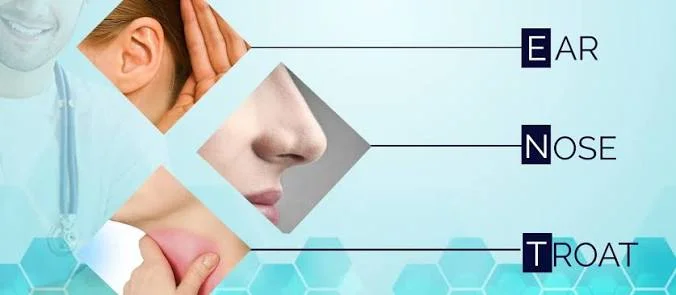
Expert ENT Care Clinic for Ear, Nose and Throat Treatment
Expert ENT Care Clinic for Ear, Nose and Throat Treatment
Ear, nose and throat problems can disturb sleep, work, studies and daily comfort. A blocked nose, a throbbing ear or a sore throat that won’t go away may look minor at first. Left untreated, these conditions can turn into chronic infections or complications. A dedicated ENT care clinic gives you accurate diagnosis, modern treatment and caring guidance in one place.
Our clinic focuses on patient-first care for adults, teenagers and children. Whether you are dealing with a sudden infection or a long-standing problem, the aim is the same: find the real cause, explain it clearly and treat it safely.
What Is an ENT Care Clinic?
An ENT care clinic is a medical centre run by an otolaryngologist, also called an ear, nose and throat specialist. These doctors are trained in medicine and surgery for the head and neck region, covering hearing, balance, smell, breathing, swallowing and voice.
Many people first visit a general physician for these complaints. That is a good start, but persistent or repeated symptoms need a specialist. An ENT doctor uses special instruments to see inside areas that cannot be examined with the naked eye. This leads to a precise diagnosis rather than guesswork.
Ear Problems We Treat
The ear handles both hearing and balance, so ear disorders affect more than just sound. Common ear conditions include:
Ear infections. Middle ear and outer ear infections cause pain, discharge, fever and temporary hearing loss. They are especially common in children. Early treatment prevents damage to the eardrum and hearing structures.
Ear wax blockage. Excess wax can cause a feeling of fullness, itching, ringing or reduced hearing. Safe removal by a doctor is far better than using cotton buds or sharp objects at home, which can push wax deeper or injure the canal.
Hearing loss. Hearing loss may develop slowly from ageing, noise exposure, infections or nerve problems. A hearing evaluation identifies the type and degree of loss so the right solution, such as medication, a procedure or hearing aids, can be recommended.
Tinnitus. Ringing, buzzing or humming in the ears can be annoying and stressful. Treatment starts by finding the trigger, which may be wax, noise damage, blood pressure or ear disease.
Vertigo and dizziness. A spinning sensation, imbalance or nausea often comes from the inner ear. Proper testing and exercises can bring significant relief.
Nose and Sinus Conditions
Your nose filters, warms and moistens the air you breathe. When it malfunctions, the effects reach your sleep, concentration and energy.
Sinusitis. Facial pressure, headache, thick nasal discharge and blocked nose are classic signs. Acute sinusitis often settles with medicines, while chronic sinusitis may need a detailed evaluation and, in selected cases, a minimally invasive procedure.
Allergic rhinitis. Sneezing, itchy eyes, runny nose and morning congestion are common with dust, pollen and pollution. Treatment combines trigger control, medicines and, when needed, long-term management plans.
Deviated nasal septum. A bent septum can block one or both nasal passages, cause snoring and trigger repeated sinus trouble. Surgical correction is considered only when symptoms are significant.
Nasal polyps. These soft growths cause blockage and loss of smell. Medical therapy or surgery can restore breathing.
Nosebleeds. Frequent bleeding should be checked to find the cause and treat it properly.
Throat and Voice Disorders
The throat supports swallowing, breathing and speech, so even small problems feel disruptive.
Tonsillitis. Painful swallowing, fever and swollen tonsils are common, especially in children. Most cases respond to medication. Recurrent tonsillitis may call for a discussion about tonsil surgery.
Pharyngitis and recurrent sore throat. Persistent throat irritation can result from infection, acid reflux, allergies or smoking. Identifying the cause is the key to lasting relief.
Hoarseness and voice problems. Teachers, singers, speakers and call centre staff often strain their voice. Hoarseness lasting more than two to three weeks needs a proper examination of the voice box.
Snoring and sleep-related breathing issues. Loud snoring may signal a nasal or throat obstruction, and in some cases sleep apnoea. Assessment helps protect your heart health and daily energy.
Swallowing difficulty. Trouble swallowing, or a feeling that food is stuck, should never be ignored.
Modern Diagnosis and Treatment
Accurate diagnosis is the foundation of good ENT care. Your visit may include:
Detailed history and physical examination of the ear, nose and throat.
Nasal endoscopy, which uses a thin camera to view the nasal passages and sinus openings clearly.
Ear examination with a microscope or otoscope to inspect the eardrum and canal.
Hearing tests to measure how well you hear at different pitches.
Throat and voice box examination to check for inflammation, growths or vocal cord problems.
Based on these findings, treatment is planned step by step. Many conditions improve with medicines, lifestyle changes and simple in-clinic procedures. Surgery is suggested only when it is truly needed, and you will always receive a clear explanation of the benefits, risks and alternatives.
Why Choose Our ENT Care Clinic?
Choosing the right ENT clinic makes a real difference to your recovery. Here is what patients value most.
Specialist expertise. You are examined and treated by a qualified ENT doctor with training in both medical and surgical management.
Complete care under one roof. From consultation and diagnosis to treatment and follow-up, your care stays organised and consistent.
Honest, patient-friendly communication. You will understand your diagnosis in simple language. We believe informed patients make better decisions.
Care for all ages. Children, adults and senior citizens each have different ENT needs, and treatment is adapted accordingly.
Hygiene and safety. Sterilised instruments and clean clinical practices protect every patient.
Comfortable, respectful environment. A calm setting helps anxious patients, especially children, feel at ease.
When Should You See an ENT Specialist?
Book an appointment if you notice any of the following:
Ear pain, discharge or sudden hearing change.
Ringing in the ears that persists.
Dizziness or spinning that keeps returning.
A blocked nose or sinus symptoms lasting more than ten days.
Repeated sore throats or tonsil infections.
Hoarseness lasting more than two to three weeks.
Frequent nosebleeds.
Loud snoring with daytime tiredness.
A lump in the neck or difficulty swallowing.
Seek urgent medical care for sudden hearing loss, severe breathing difficulty, heavy bleeding or a swelling that rapidly worsens.
Simple Tips for Healthy Ears, Nose and Throat
Daily habits protect your ENT health:
Avoid inserting cotton buds, pins or keys into your ears.
Keep headphone volume moderate and take listening breaks.
Stay hydrated and avoid smoking and heavy exposure to pollution.
Wash hands regularly to reduce throat and nose infections.
Manage acid reflux with balanced meals and avoid late-night eating.
Use steam or saline rinses only as advised by your doctor.
Do not self-medicate with antibiotics or ear drops, as wrong use can worsen the problem.
Book Your ENT Consultation Today
Ear, nose and throat symptoms rarely fix themselves when they keep coming back. Early evaluation saves time, reduces discomfort and prevents complications. If you are searching for a reliable ENT care clinic with a patient-centred approach, schedule a consultation today and take the first step towards easier breathing, clearer hearing and a healthier voice.
[Add clinic name, doctor name, city/area, phone number and timings here.]
FAQs
1. What does an ENT doctor treat?
An ENT doctor treats conditions of the ear, nose, throat, head and neck. These include ear infections, hearing loss, vertigo, sinusitis, allergies, tonsillitis, voice problems, snoring and nasal blockage.
2. When should I visit an ENT clinic instead of a general doctor?
Visit an ENT specialist if symptoms last longer than a week or two, keep coming back, or do not improve with basic treatment. Ear discharge, hearing changes, repeated sinus trouble and long-term hoarseness need specialist care.
3. Is ear wax removal safe at an ENT clinic?
Yes. A doctor removes wax under direct vision using proper instruments or gentle methods, which is much safer than home remedies or cotton buds.
4. How is sinusitis treated?
Treatment depends on the type and severity. Acute sinusitis is usually managed with medicines, nasal care and rest. Chronic cases may need nasal endoscopy and, rarely, a minimally invasive procedure.
5. Do I need surgery for tonsillitis?
Not always. Most tonsil infections settle with medication. Surgery is considered only if infections are frequent, severe or cause complications.
6. What causes dizziness or vertigo?
Vertigo often arises from inner ear problems, but it can also relate to blood pressure, migraine or other causes. An ENT evaluation helps find the exact reason.
7. Can children be treated at an ENT clinic?
Yes. Children commonly have ear infections, enlarged adenoids, tonsillitis and allergies, and an ENT specialist can treat them gently and safely.
8. What is nasal endoscopy and is it painful?
It is a quick examination using a thin camera to look inside the nose. It may feel slightly uncomfortable but is generally well tolerated.
9. How can I prevent frequent throat infections?
Maintain hand hygiene, stay hydrated, avoid cold and very spicy irritants if they trigger symptoms, quit smoking and treat reflux or allergies that may be the underlying cause.
10. How do I book an appointment?
Call the clinic or send a message to schedule your visit. Bring any previous reports, test results and a list of current medicines.