First-Hand Hearing Aid Experience at Our Camp
First-Hand Hearing Aid Experience at Our Camp
Few moments are as powerful as watching someone hear clearly after years of struggling. At the recent EarMart hearing care camp, we saw it again and again. This article shares what happened, what people felt, and what we learned, so that anyone thinking about hearing aids knows what to expect.
Why We Organized the Hearing Camp
Hearing loss is one of the most overlooked health problems. Many people believe it is a natural part of aging and simply accept it. Others worry about cost, stigma, or not knowing where to begin.
At EarMart, we wanted to remove those barriers. We organized the camp so people could get a proper hearing check, talk to trained professionals, and try hearing aids in a relaxed, pressure-free setting. No jargon, no rush, just honest guidance.
The Atmosphere on Day One
From early morning, people began arriving, some alone, some with spouses, and many with grown children who had noticed the signs first. Some were nervous. Others were curious. A few were skeptical.
We set up the camp in clearly marked stations: registration, hearing screening, consultation, device trial, and follow-up. Each station was designed to feel friendly rather than clinical. Chairs were comfortable, the testing area was quiet, and our team took time to explain every step.
Step One: The Hearing Test
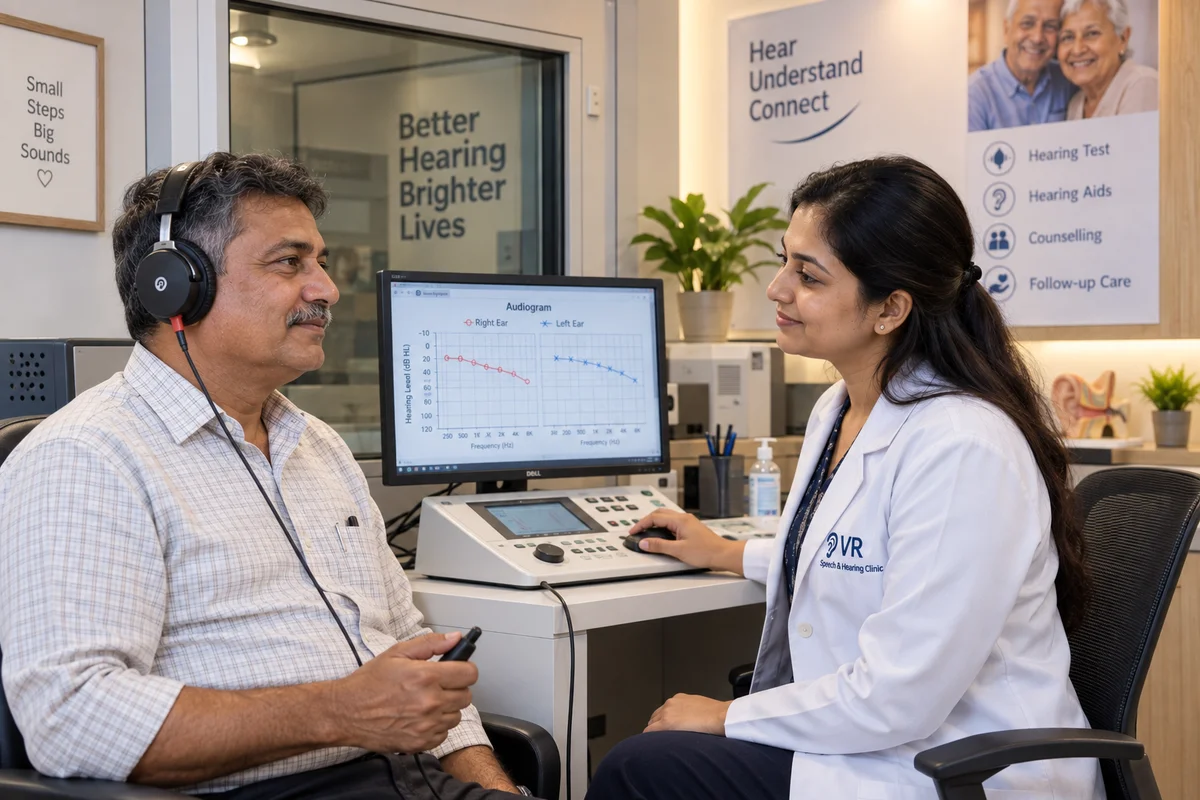
Everyone began with a simple hearing screening. It was painless and took only a few minutes. Participants wore headphones and responded to soft beeps at different pitches. The results showed how well they heard high, mid, and low frequencies.
Many were surprised by what they learned. One visitor had assumed his hearing was “mostly fine” because he could follow conversation at home. The test showed he was missing a range of higher sounds, which explained why he struggled in noisy places and often misheard women and children.
A good hearing test does more than give a number. It explains why daily life has felt harder.
Step Two: A Real Conversation, Not a Sales Pitch
After testing, each person sat down with one of our hearing care professionals. We asked about their daily life rather than just their test results:
Do you struggle to follow conversations in restaurants or at family gatherings?
Do you turn the television volume up higher than others like?
Do you often ask people to repeat themselves?
Do you avoid phone calls or social events because of hearing difficulty?
These questions helped us recommend the right type of hearing aid for their lifestyle, not just their audiogram. Someone who spends most of the day in quiet surroundings needs different features than someone who attends busy markets, temples, or family events.
Step Three: Trying Hearing Aids Live
This was the heart of the camp. After the consultation, participants tried suitable hearing aids right there. Our team adjusted the settings based on their hearing profile and asked for feedback in real time.
Their reactions were the most memorable part of the day.
One elderly woman went quiet for a moment as the device was switched on. Then she smiled and said she could hear the birds outside. Her daughter, standing nearby, had tears in her eyes. She had been repeating herself for years and had almost forgotten what an easy conversation felt like.
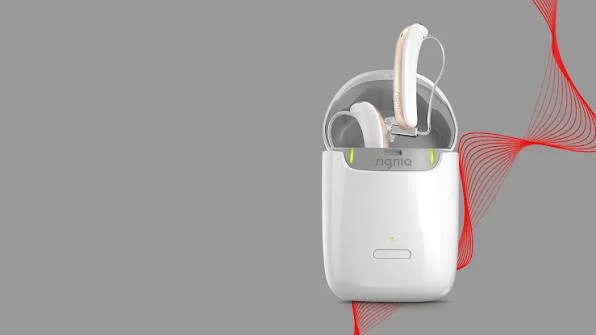
A middle-aged shopkeeper, who had worried that hearing aids would make him look old, was amazed at how small and discreet the device was. He tried it, listened to a quiet conversation across the room, and asked, “Is it really this simple?”
These moments showed us that trying a device in person changes how people feel about hearing aids.
Common Concerns We Heard
Throughout the camp, certain worries came up repeatedly. Here are the most common, and how we addressed them.
“Will hearing aids make everything too loud?”
Modern hearing aids do not simply make everything louder. They amplify only the sounds you struggle with and are tuned to your hearing profile.
“Will people notice I’m wearing one?”
Many of today’s devices are small and discreet. Several visitors were surprised to see how nearly invisible they can be.
“Will it feel uncomfortable?”
A properly fitted device feels comfortable. We checked the fit for each person and made adjustments on the spot.
“Is it too late for me?”
This was heard often from older participants. Our answer was always the same: it is never too late to start hearing better. Many first-time users said they wished they had come sooner.
“Will I need time to adjust?”
Yes, and we were honest about it. The brain needs time to get used to hearing sounds it has been missing. We explained that wearing the devices regularly during the first few weeks helps the adjustment.
What Surprised Us Most
We expected to help people hear better. What surprised us was how quickly the emotional change appeared.
Families told us that after years of frustration, conversations suddenly felt lighter. A man who rarely spoke at gatherings found himself laughing at a joke. A grandmother heard her grandchild’s voice clearly for what felt like the first time in years.
Hearing loss affects more than the ears. It can lead to isolation, frustration, and withdrawal. Treating it often brings people back into their own lives.
What We Learned From Running the Camp
The camp taught our team some valuable lessons.
First, early action matters. The people who adapted fastest were those who sought help sooner, rather than waiting until hearing loss became severe.
Second, family involvement helps. When relatives attended appointments, they understood the challenges better and supported the transition more patiently.
Third, personal guidance beats generic advice. Every person’s hearing is different. A device that works wonderfully for one may not suit another, and that is why individual testing and fitting are essential.
Fourth, trust is built through honesty. We told people when a hearing aid might not be necessary and when they should see an ENT specialist first. People appreciated the honesty, and it made them more comfortable with our recommendations.
Tips for Anyone Considering Hearing Aids
Based on what we saw at the camp, here is our advice:
Get your hearing tested. Do not rely on guesswork. A professional test gives a clear picture.
Bring a family member. They can describe changes you may not notice.
Try before you decide. Experiencing the device in a real setting helps you judge the benefit.
Be patient during the adjustment period. It takes time for your brain to adapt.
Attend follow-up visits. Fine-tuning improves comfort and performance.
Choose a trusted provider. Look for clear guidance, proper fitting, and after-sales support.
Why Follow-Up Care Matters
A hearing aid is not a one-time purchase. It is the start of a journey. At the camp, we made sure every participant knew how to clean and care for the device, how to handle the batteries or charging, and whom to contact if they had questions.
We also encouraged regular check-ups. Hearing can change over time, and devices may need adjustments. Ongoing support is what turns a good first experience into long-term satisfaction.
The EarMart Approach
At EarMart, our aim is to make hearing care accessible, understandable, and comfortable. The camp reflected that mission. We believe everyone deserves to hear the voices they love, enjoy everyday sounds, and take part in conversations without strain.
Our team is dedicated to honest advice, proper fitting, and support well beyond the first appointment. If you or someone you love is struggling to hear, a conversation with our experts can be the first step toward clearer days.
Final Thoughts
Our first-hand experience at the camp confirmed something we have long believed: hearing aids can change lives when they are chosen and fitted with care. The smiles, the relieved families, and the simple joy of hearing a familiar voice made every moment of effort worthwhile.
If you have been putting off a hearing test, let this be your sign. Take that first step, ask questions, and find out what you have been missing. Better hearing is often closer than you think.
Frequently Asked Questions (FAQs)
1. What happens at a hearing aid camp?
At a hearing camp, you receive a hearing screening, a consultation with a trained professional, and the chance to try suitable hearing aids with live adjustments. You can ask questions and learn about options with no pressure.
2. Is the hearing test at the camp painful?
No. The test is painless and quick. You wear headphones and respond to soft sounds at different pitches.
3. How do I know if I need a hearing aid?
Common signs include asking people to repeat themselves, turning up the TV volume, struggling in noisy places, and avoiding phone calls. A hearing test is the best way to confirm.
4. Will hearing aids work immediately?
Most people notice a difference right away, but full adjustment takes a few weeks as the brain adapts to hearing sounds it had been missing.
5. Are modern hearing aids visible?
Many modern hearing aids are small and discreet. Your professional can show you styles that suit your comfort and appearance preferences.
6. Can I try a hearing aid before buying it?
Yes. Trying a device during your consultation helps you judge how it sounds and feels in real situations.
7. Do I need to bring someone with me?
It is not required, but bringing a family member or friend is helpful. They can describe your hearing difficulties and support you during adjustment.
8. How often should I get my hearing checked?
Adults should consider a hearing check once a year, especially if they notice changes. People already using hearing aids should attend regular follow-ups for adjustments.
9. Is it too late to start using hearing aids at an older age?
No. Many people begin using hearing aids later in life and benefit significantly. Starting earlier generally makes adaptation easier.
10. Why choose EarMart for hearing care?
EarMart focuses on honest guidance, personalized fitting, and dependable follow-up support, so you feel confident at every stage of your hearing journey.