Hearing Aids (श्रवणयंत्र): Types, Price & Buying Guide
Hearing Aids in India: Types, Features, Price and How to Choose the Right One
Struggling to follow conversations, turning the TV volume up again and again, or asking people to repeat themselves? You may be a good candidate for a hearing aid. A modern hearing aid (श्रवणयंत्र) is small, discreet and smart. It can bring back the sounds of family, friends and everyday life. This guide explains how hearing aids work, which types are available, what to look for, and how to choose the one that suits your hearing loss and budget.
Signs You May Need a Hearing Aid
Hearing loss usually happens slowly, so many people don’t notice it at first. Common signs include:
Difficulty understanding speech in noisy places such as markets, weddings or restaurants
Asking people to repeat themselves often
Muffled voices, especially of women and children
Trouble on phone calls
Ringing or buzzing in the ears (tinnitus)
Avoiding social gatherings because conversations feel tiring
If two or more of these sound familiar, get a hearing test from a qualified audiologist. Early action gives better results and helps your brain adapt faster. कानाचे ऐकू येणे कमी झाले असेल तर उशीर करू नका.
How Does a Hearing Aid Work?
A hearing aid has three main parts: a microphone, an amplifier (processor) and a speaker (receiver). The microphone picks up sound, the processor adjusts it according to your hearing test results, and the speaker delivers clearer sound into your ear. Today’s digital hearing aids also reduce background noise, control feedback (whistling) and focus on speech, which makes listening far more comfortable.
Types of Hearing Aids
Behind-the-Ear (BTE)
The device sits behind the ear and connects to an earmold or tube. BTE aids are powerful, durable and easy to handle, so they suit mild to profound hearing loss, children and senior citizens.Receiver-in-Canal (RIC)
RIC aids are slim and discreet. The speaker sits inside the ear canal and a thin wire connects it to the body behind the ear. They are among the most popular styles because of their natural sound quality and comfortable fit.In-the-Ear (ITE)
These are custom-made to fill the outer part of the ear. They are easy to insert and often include extra features such as a larger battery and controls.In-the-Canal (ITC) and Completely-in-Canal (CIC)
These are small and almost invisible. They suit mild to moderate hearing loss and people who value discretion. Because of their size, they have shorter battery life and fewer features.Rechargeable Hearing Aids
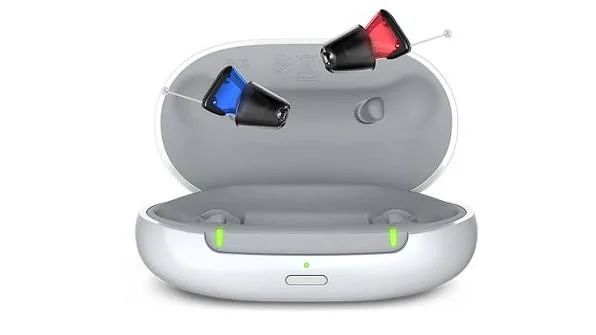
Rechargeable models remove the need to buy and change small batteries. A single overnight charge usually lasts a full day. They are a convenient choice for daily users and elderly people.
Important Features to Look For
Noise reduction: reduces background sounds so speech stands out
Directional microphones: focus on the person speaking in front of you
Bluetooth connectivity: stream calls, music and videos straight to your hearing aid
Mobile app control: change volume and programs from your smartphone
Tinnitus support: soothing sounds that help manage ringing in the ears
Feedback suppression: stops irritating whistling sounds
Water and dust resistance: useful in India’s hot, humid and dusty conditions
Number of channels: more channels allow finer sound tuning
Hearing Aid Price in India: What Affects the Cost?
Hearing aid prices in India vary widely. Basic digital models cost much less than premium devices with artificial intelligence and advanced connectivity. The main factors are:
Technology level (basic, mid-range or premium)
Style and size (RIC, BTE, CIC)
Brand and warranty
Rechargeable or battery-operated
Number of devices (one ear or both ears)
Fitting, programming and after-sales service
A hearing aid is a long-term investment in your health and relationships. Instead of choosing only the lowest price, check the warranty, trial period, service support and the quality of fitting. Many buyers also look for easy EMI options to spread the cost.
How to Choose the Right Hearing Aid
Step 1: Get a proper hearing test. Your audiogram shows the degree and type of hearing loss, which decides which hearing aids will work for you.
Step 2: Think about your lifestyle. A retired person who mostly stays at home has different needs from a working professional who attends meetings and travels.
Step 3: Consider comfort and appearance. Try different styles to see what feels comfortable and what you are happy to wear every day.
Step 4: Set a realistic budget. Compare technology levels and pick the one that fits your daily listening situations.
Step 5: Ask about the trial period and warranty. A trial lets you test the device in real life before you commit.
Step 6: Plan for follow-up care. Regular tuning and cleaning keep your hearing aid performing well.
Tips to Get the Best Results
Wear your hearing aid daily, as the brain needs time to adapt to sounds it has missed. Start in quiet places and gradually move to busier ones. Clean the device regularly, keep it dry, and store it in its case or dry kit. Avoid exposing it to water, sweat or strong heat. Attend all follow-up visits so your audiologist can fine-tune the settings as you adjust.
Why Buy Hearing Aids from EarMart?
Choosing a hearing aid is not just about picking a product. It is about trust, guidance and support after the purchase. EarMart brings you a wide selection of hearing aids so you can compare options and find a solution that suits your needs and budget. Whether you are buying for yourself or for a parent or grandparent, the right device can make a big difference in confidence, communication and quality of life. आपल्या प्रियजनांसाठी योग्य श्रवणयंत्र निवडा आणि पुन्हा स्पष्ट ऐकण्याचा आनंद घ्या.
Final Thoughts
Untreated hearing loss can lead to isolation, frustration and strained relationships, while the right hearing aid can restore connection with the people and sounds you love. Start with a hearing test, understand your options, and choose a device that fits your lifestyle. Explore the hearing aid range at EarMart and take the first step toward better hearing today.
FAQs
Q1. What is the best hearing aid for age-related hearing loss?
The best hearing aid depends on your audiogram, lifestyle and budget. For most seniors, RIC and rechargeable BTE models are popular because they are comfortable, easy to handle and clear in sound.
Q2. How much does a hearing aid cost in India?
Prices vary by technology level, style, brand and features. Basic digital hearing aids cost less, while premium models with AI and Bluetooth cost more. A hearing test helps you choose the right level without overspending.
Q3. Can a hearing aid fully restore normal hearing?
No. A hearing aid does not cure hearing loss, but it greatly improves your ability to hear and understand speech and everyday sounds.
Q4. Should I use one hearing aid or two?
If you have hearing loss in both ears, two hearing aids usually give better speech understanding, sound direction and comfort in noisy places.
Q5. How long does it take to get used to a hearing aid?
Most people adapt in a few weeks. Wearing it daily and attending follow-up visits helps you adjust faster.
Q6. How long does a hearing aid last?
With proper care, most hearing aids last 4 to 6 years or longer. Regular cleaning and servicing extend their life.
Q7. Are rechargeable hearing aids better than battery ones?
Rechargeable models are more convenient because you avoid changing small batteries. Battery models can still be a good choice if you travel often or prefer them.