India Hearing Health Awareness Community Event
India Spreads Awareness on Hearing Health with Community Event
Hearing is one of the most undervalued senses in daily life. We rarely think about it until a loved one starts missing words, turning the TV volume up, or pulling away from conversations. Across India, community-led hearing health events are changing that attitude, bringing screenings, expert talks and practical advice to neighbourhoods, schools, workplaces and village squares.
These gatherings share one message: hearing care is not a luxury or an old-age problem. It is a core part of overall health, learning, safety and emotional wellbeing. This article explains why hearing health awareness in India matters, what happens at a typical community event, which myths need to be busted, and how families can protect their ears every day.
Why Hearing Health Awareness Matters in India
According to the World Health Organization, over 1.5 billion people worldwide live with some degree of hearing loss, and the number is expected to rise sharply in the coming decades. India, with its large and young population, carries a significant share of this burden. Noisy traffic, crowded cities, loud celebrations, long hours of headphone use and limited access to ear care all add to the risk.
The challenge is not only the number of people affected but also how late many of them seek help. Hearing loss often develops slowly, so people adapt without realising it. Some blame the speaker for mumbling. Others assume it is a normal part of ageing. Untreated hearing loss can lead to:
Poor academic performance in children
Reduced productivity and job opportunities for adults
Social isolation and loneliness among older people
Higher risk of depression and anxiety
Greater difficulty hearing warning sounds such as horns, alarms or doorbells
Community events help overcome these barriers by taking information directly to people, in their own language and in a setting where they feel comfortable asking questions.
What Happens at a Community Hearing Health Event
Community hearing health events in India vary in size, but most follow a similar, people-friendly format. Whether it is held in a school hall, a housing society, a primary health centre or a public park, the goal is simple: make hearing care easy to understand and easy to access.
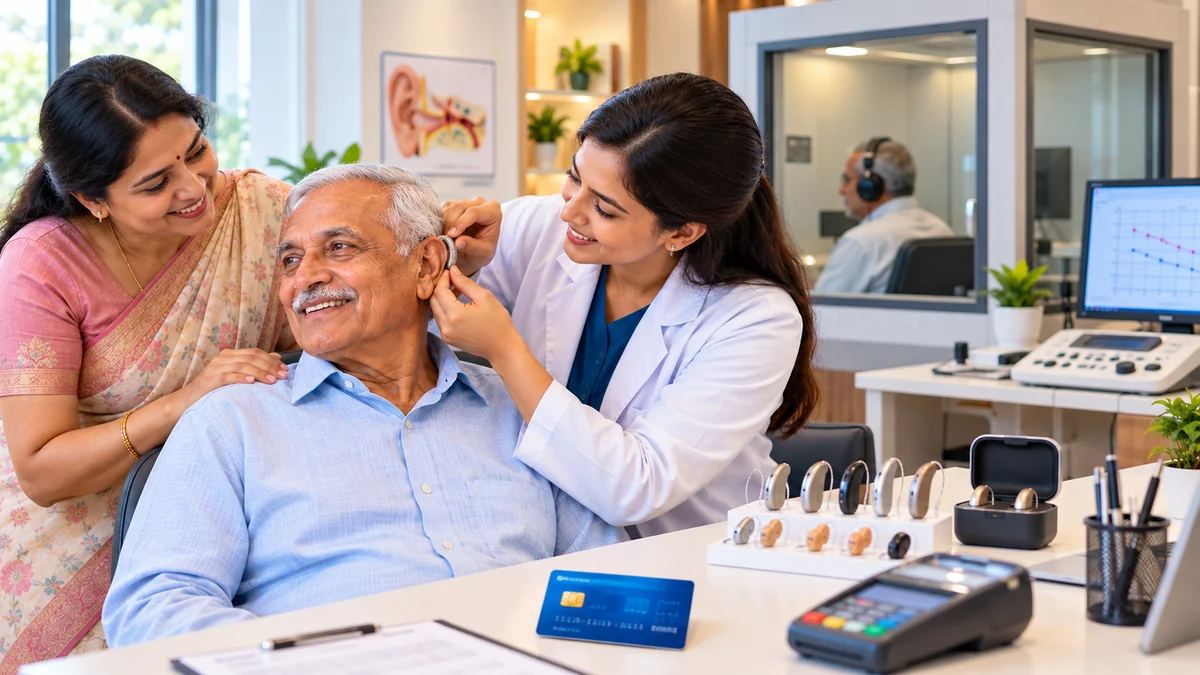
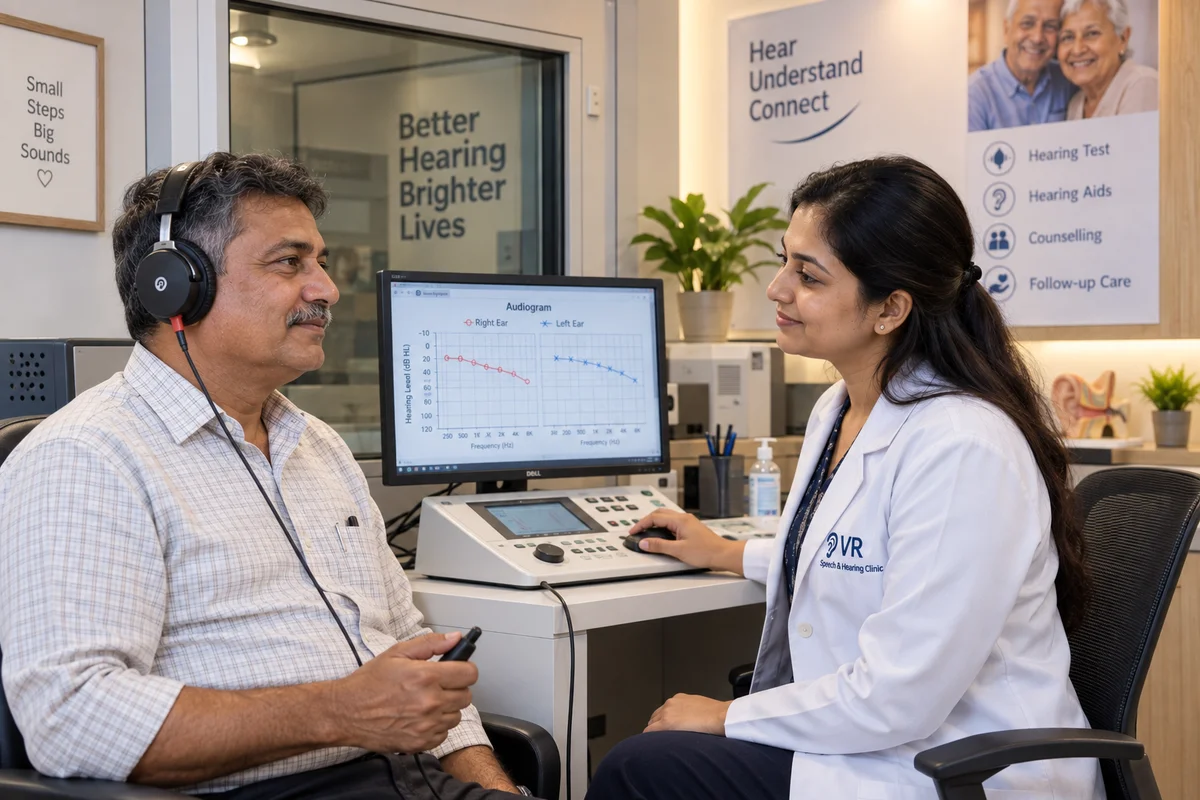
Free or low-cost hearing screenings. Trained audiologists and health workers conduct quick, painless hearing checks. Many attendees take a hearing test for the first time at these events, and the results often come as a surprise.
Awareness talks and demonstrations. Specialists explain how the ear works, what causes hearing loss and how to recognise early symptoms. Simple visual aids and live demonstrations help people of all ages and education levels follow along.
Ear hygiene guidance. Many people use cotton buds, hairpins or matchsticks to clean their ears, which can push wax deeper or injure the eardrum. Experts show safe alternatives and explain when to see a doctor.
School and children’s activities. Fun quizzes, posters and storytelling teach children about safe listening. Early detection in children is vital because even mild hearing loss can affect speech and learning.
Counselling and referrals. People whose screening shows a possible problem are guided to proper diagnosis and follow-up care, so a screening becomes the first step of a real treatment journey.
Support for caregivers. Families learn how to communicate better with a loved one who has hearing difficulty, such as facing the person, speaking clearly without shouting and reducing background noise.
Common Myths About Hearing Loss in India
One of the biggest outcomes of community awareness is correcting misinformation. Here are some myths that experts often address.
Myth 1: Only old people lose their hearing. Hearing loss can affect people of any age. Noise exposure, infections, certain medicines, genetics and injuries can all play a role, even in teenagers and young adults.
Myth 2: If I can hear, my ears are fine. Many people hear sound but cannot understand speech clearly, especially in crowds. This is often the first sign of hearing loss.
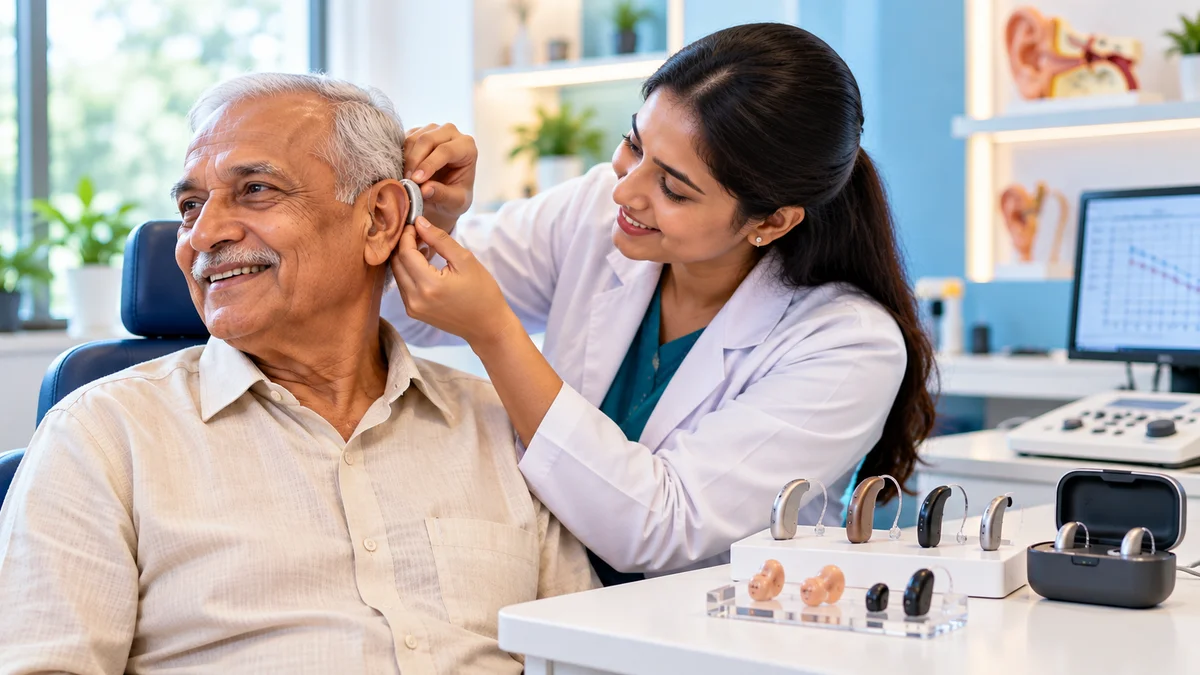
Myth 3: Hearing devices are only for severe loss. Modern hearing solutions can help people with mild to moderate loss as well. Early support can protect communication, confidence and brain health.
Myth 4: Ear drops fix everything. Using drops without medical advice can be harmful, especially if there is a perforated eardrum or infection. A proper examination should always come first.
Myth 5: Hearing loss is a family secret. Stigma stops many people from seeking help. Community events show that hearing care is common, normal and nothing to hide.
Everyday Habits That Protect Your Hearing
Prevention is the heart of every awareness campaign. The good news is that many causes of hearing damage are avoidable with small daily choices.
Follow the 60/60 rule. When using headphones or earphones, keep the volume at or below 60 percent and take a break after every 60 minutes.
Choose quality listening gear. Well-fitting headphones that block outside noise let you listen at lower volumes, which protects your ears.
Limit exposure to loud places. Weddings, concerts, festivals, factories and construction sites can reach harmful sound levels. Move away from speakers and use ear protection when needed.
Never insert objects into the ear. The ear is self-cleaning. Pins, buds and sharp tools can cause infections or injury.
Treat ear infections early. Pain, discharge or blocked ears should be checked by a doctor, as repeated untreated infections can cause lasting damage.
Schedule regular hearing checks. Adults should consider a hearing test every few years, and more often after the age of 50 or if they work in a noisy environment.
Stay healthy overall. Conditions like diabetes, high blood pressure and heart disease can affect hearing, so a healthy lifestyle benefits your ears too.
Early Signs You Should Not Ignore
You do not need to wait for a community event to take action. See a hearing specialist if you or a family member notice any of these signs:
Frequently asking people to repeat themselves
Difficulty following conversations in noisy places
Turning the TV or phone volume very high
Trouble hearing on phone calls
Ringing, buzzing or humming in the ears (tinnitus)
Feeling that people mumble all the time
Avoiding social situations because of listening effort
A child who does not respond to sounds or has delayed speech
The earlier hearing loss is identified, the more effective the support. For children, early action can make a lifelong difference to speech and learning.
Making Hearing Care Accessible with EarMart
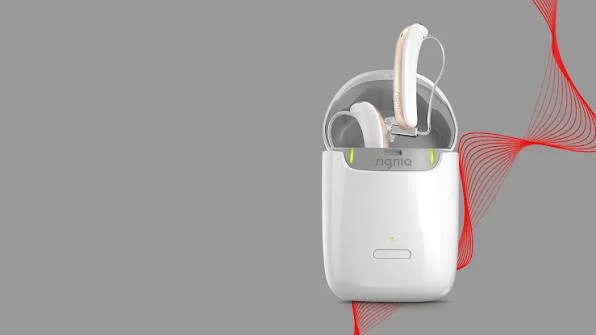
A major reason many Indians delay hearing care is the difficulty of finding trustworthy products, information and guidance in one place. This is where platforms like EarMart play a helpful role. By bringing hearing-related products and information together in an easy-to-understand way, EarMart helps families explore options, learn about hearing wellness and make informed choices without confusion.
Community awareness and accessible hearing care go hand in hand. Events create the spark by educating people and identifying those who need help. Convenient, reliable resources then make it easier for them to take the next step. When information, screening and support all connect, more people can hear better and live better.
How Communities Can Keep the Momentum Going
A single event can start a conversation, but lasting change needs continued effort. Here are practical ways communities, schools and workplaces can sustain hearing health awareness:
Hold regular screening camps, not just one-time events
Train teachers and anganwadi workers to spot early signs in children
Include hearing health in workplace wellness programmes
Encourage local doctors and pharmacists to share safe ear care tips
Use regional languages and simple visuals in awareness material
Involve elders, volunteers and youth groups as hearing health ambassadors
Share success stories to reduce stigma and inspire others
Small, consistent steps can create a culture where hearing checks are as routine as eye tests or blood pressure checks.
Conclusion
Community events across India are proving that awareness can be powerful, practical and personal. By offering screenings, busting myths and teaching safe listening habits, they help people recognise problems early and seek the right support. Hearing is closely tied to learning, work, relationships and mental wellbeing, and protecting it is a responsibility we share as families and communities.
If you have noticed changes in your own hearing or that of a loved one, do not wait. Get a hearing check, talk openly about it and explore trusted resources like EarMart to support your hearing health journey. Every conversation you can hear clearly is worth protecting.
FAQs
1. Why are community hearing health events important in India?
They bring free screenings, expert guidance and awareness directly to people who may not otherwise have access to hearing care, helping detect problems early and reduce stigma.
2. At what age should I get my hearing tested?
Newborns should be screened soon after birth. Children and adults should get checked if they notice any difficulty, and adults over 50 should consider regular tests.
3. What are the first signs of hearing loss?
Common early signs include asking people to repeat themselves, trouble in noisy places, raising the TV volume, and ringing in the ears.
4. Can hearing loss be prevented?
Many causes can be prevented by limiting loud noise, using headphones safely, treating ear infections promptly and avoiding inserting objects into the ear.
5. Is it safe to clean ears with cotton buds?
Doctors generally advise against it. Cotton buds can push wax deeper or injure the ear canal. If you feel blocked, consult a healthcare professional.
6. What is the 60/60 rule for headphones?
Listen at no more than 60 percent volume for no more than 60 minutes at a time, then give your ears a break.
7. Can young people develop hearing loss?
Yes. Loud music, long headphone use, infections and noisy environments can cause hearing problems in teenagers and young adults.
8. How does EarMart support hearing health awareness?
EarMart helps people explore hearing-related products and information in one convenient place, making it easier to make informed decisions about hearing wellness.