Understanding Hearing Loss: Causes, Symptoms & Treatment
Understanding Hearing Loss: Causes, Symptoms, and Treatment
Hearing loss is one of the most common health conditions in the world, yet many people ignore it for years. The World Health Organization estimates that over 1.5 billion people live with some degree of hearing loss, and the number is expected to keep rising. Whether it develops slowly with age or appears suddenly after an illness or injury, hearing loss affects communication, safety, relationships, and overall wellbeing.
The good news is that most hearing problems can be managed, especially when detected early. This guide explains what hearing loss is, what causes it, how to recognize the warning signs, and which treatment options can help you reconnect with the sounds you love.
What Is Hearing Loss?
Hearing loss means a partial or complete inability to hear sounds in one or both ears. It can be mild, moderate, severe, or profound, and it may be temporary or permanent. Some people struggle to hear soft sounds, while others have trouble understanding speech in noisy places even though they can hear voices.
To understand hearing loss, it helps to know how hearing works. Sound waves enter the outer ear, travel through the ear canal, and make the eardrum vibrate. Three tiny bones in the middle ear amplify these vibrations and pass them to the cochlea in the inner ear. Thousands of delicate hair cells in the cochlea convert the vibrations into electrical signals, which the auditory nerve carries to the brain. The brain then interprets these signals as sound. A problem at any stage can cause hearing loss.
Types of Hearing Loss
Conductive Hearing Loss
This type occurs when sound cannot travel efficiently through the outer or middle ear. Common reasons include earwax blockage, fluid behind the eardrum, ear infections, a perforated eardrum, or abnormalities of the middle ear bones. Conductive hearing loss is often temporary and can frequently be treated with medication or a minor medical procedure.
Sensorineural Hearing Loss
This is the most common type of permanent hearing loss. It results from damage to the hair cells in the inner ear or to the auditory nerve. Aging, loud noise, and certain medications are typical causes. Sensorineural hearing loss usually cannot be reversed, but hearing aids and other devices can help significantly.
Mixed Hearing Loss
Mixed hearing loss is a combination of conductive and sensorineural problems. A person with age-related inner ear damage who also develops a middle ear infection is one example.
Common Causes of Hearing Loss
Aging
Presbycusis, or age-related hearing loss, is the leading cause of hearing difficulty in adults. It develops gradually as the hair cells in the inner ear wear out over time. It typically affects both ears equally and often begins with trouble hearing high-pitched sounds.
Exposure to Loud Noise
Long-term exposure to loud sounds is a major and preventable cause of hearing damage. Factory work, construction, concerts, power tools, and listening to music at high volume through headphones can all harm the inner ear. A single very loud event, such as an explosion, can also cause immediate damage.
Earwax Buildup
Earwax protects the ear canal, but excess wax can block sound and cause temporary hearing loss. Using cotton swabs often pushes wax deeper, making the problem worse.
Ear Infections and Illness
Repeated ear infections, especially in children, can lead to fluid buildup and affect hearing. Illnesses such as meningitis, measles, mumps, and ongoing middle ear disease may also damage the hearing system.
Ototoxic Medications
Some medications can damage the inner ear. These include certain chemotherapy drugs, some antibiotics, and high doses of aspirin. Never stop a prescribed medicine on your own, but do speak with your doctor if you notice changes in your hearing while taking one.
Genetics and Family History
Some people inherit a higher risk of hearing loss. Genetic conditions can cause hearing problems from birth or lead to earlier hearing decline in adulthood.
Head Injury and Ear Trauma
A blow to the head, a skull fracture, or a ruptured eardrum can disrupt the structures involved in hearing. Rapid pressure changes, such as those from scuba diving or flying with a blocked ear, can also injure the ear.
Other Health Conditions
Diabetes, high blood pressure, heart disease, and autoimmune disorders have all been linked to a higher risk of hearing loss, likely because they affect blood flow to the delicate structures of the inner ear. Meniere’s disease and otosclerosis are additional ear-specific conditions that can affect hearing.
Symptoms of Hearing Loss
Hearing loss often develops so slowly that people do not notice it at first. Family members and friends may spot the signs before you do. Watch for these common symptoms:
Frequently asking people to repeat themselves
Difficulty following conversations in restaurants, meetings, or crowded places
Feeling that people mumble or speak too softly
Turning the television or phone volume higher than others prefer
Trouble hearing on the phone
Difficulty hearing women’s or children’s voices, which are higher pitched
Ringing, buzzing, or hissing in the ears, known as tinnitus
A feeling of fullness or pressure in the ear
Feeling tired or stressed after social situations because of the effort to listen
Withdrawing from conversations or social activities
Sudden hearing loss in one or both ears is a medical emergency. If your hearing drops quickly over hours or days, seek medical care immediately, as early treatment can improve the chance of recovery.
How Hearing Loss Is Diagnosed
A proper diagnosis starts with a hearing test performed by an audiologist or ear specialist. The process usually includes a review of your medical history, a visual examination of the ear canal and eardrum, and a pure-tone audiometry test that measures the softest sounds you can hear at different pitches. Speech testing checks how well you understand words at different volumes. Additional tests, such as tympanometry, assess how well the middle ear is working.
The results are shown on a chart called an audiogram, which helps your specialist identify the type and degree of hearing loss and recommend the right solution.
Treatment Options for Hearing Loss
Treatment depends on the cause, type, and severity of the hearing loss. Fortunately, there are many effective options today.
Medical and Surgical Treatment
If hearing loss is caused by earwax, a doctor can safely remove it. Infections may be treated with medication, and fluid buildup may need drainage. Surgery can repair a perforated eardrum, correct problems with the middle ear bones, or address structural issues.
Hearing Aids
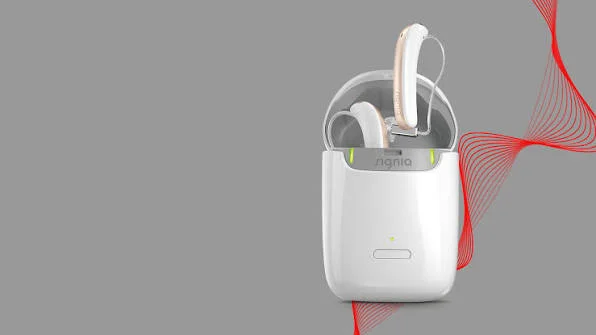
For most people with permanent hearing loss, hearing aids are the most common and effective solution. Modern devices are small, comfortable, and packed with advanced technology. They amplify sounds based on your specific hearing profile, reduce background noise, and improve speech clarity. Many models offer rechargeable batteries, Bluetooth connectivity for phone calls and music, and discreet designs that sit almost invisibly in or behind the ear.
Common styles include behind-the-ear, receiver-in-canal, in-the-ear, and completely-in-canal devices. The best choice depends on your hearing level, lifestyle, budget, and the shape of your ear.
Cochlear Implants and Bone Conduction Devices
For severe to profound sensorineural hearing loss where hearing aids offer limited benefit, cochlear implants can directly stimulate the auditory nerve. Bone conduction devices send sound through the skull bone and suit people with certain types of conductive or single-sided hearing loss.
Assistive Listening Devices
Amplified telephones, TV streamers, captioning tools, and alert systems for doorbells and alarms can make daily life easier, either alongside hearing aids or on their own.
Tinnitus Management
If ringing in the ears accompanies hearing loss, sound therapy, counseling, and hearing aids with built-in masking features can bring relief.
Can Hearing Loss Be Prevented?
Not every case is preventable, but you can protect your hearing with simple habits:
Keep headphone volume at a moderate level and take listening breaks
Wear earplugs or earmuffs around loud machinery, concerts, and sporting events
Avoid inserting cotton swabs or objects into your ears
Treat ear infections promptly
Manage conditions like diabetes and high blood pressure
Schedule regular hearing checkups, especially after age 50 or if you work in a noisy environment
Why Early Treatment Matters
Untreated hearing loss is linked to social isolation, depression, reduced job performance, and a higher risk of falls. Research has also associated untreated hearing loss with faster cognitive decline in older adults. When the brain struggles to process sound, it spends extra energy on listening, leaving less capacity for memory and thinking. Treating hearing loss early helps protect your communication skills, independence, and quality of life.
Take the Next Step with EarMart
If you recognize the symptoms described above, do not wait for them to get worse. A simple hearing test can give you clarity and a clear plan. EarMart is committed to making hearing care easier, with quality hearing solutions and ear care products designed to fit different needs and budgets. Whether you are exploring hearing aids for the first time or looking for accessories and support for your current device, EarMart helps you make confident, informed choices on your journey to better hearing.
Final Thoughts
Hearing loss is common, but it does not have to limit your life. By understanding its causes, noticing the early symptoms, and acting quickly, you can find a treatment that works for you. Protect your ears, get tested regularly, and choose a trusted partner like EarMart to support your hearing health for years to come.
Frequently Asked Questions (FAQs)
1. What is the most common cause of hearing loss?
Aging is the most common cause of hearing loss in adults, followed by long-term exposure to loud noise. Both gradually damage the hair cells in the inner ear.
2. Can hearing loss be reversed?
It depends on the cause. Conductive hearing loss from earwax, infection, or fluid is often reversible with treatment. Sensorineural hearing loss is usually permanent, but hearing aids and implants can greatly improve hearing.
3. What are the early signs of hearing loss?
Early signs include asking people to repeat themselves, struggling to follow conversations in noisy places, turning up the volume, and hearing ringing in the ears.
4. When should I see a doctor about my hearing?
See a professional if you notice any change in your hearing, ongoing ringing, or ear pain. Seek urgent care if you experience sudden hearing loss.
5. Do hearing aids restore normal hearing?
Hearing aids do not restore normal hearing, but they make sounds clearer and speech easier to understand, which greatly improves daily communication.
6. Is hearing loss hereditary?
Some types are. Genetics can make you more likely to develop hearing loss earlier in life or to be born with it.
7. Can earbuds and headphones cause hearing loss?
Yes. Listening at high volume for long periods can damage the inner ear. Follow a moderate volume and take regular breaks.
8. How often should I get my hearing tested?
Adults should consider a baseline test and then check every few years, or yearly after age 60 or if you have noticeable symptoms or risk factors.