Hearing Aid Price Pune Kondhwa
Check hearing aid price in Pune Kondhwa by type, brand and technology. Learn what affects cost, get buying tips and book a hearing test with EarMart.
Book a Free Consultation
We'll call you within 24 hours. Your details are safe with us.
Hearing Aid Price in Pune Kondhwa: What You Should Expect to Pay
If you or a family member has started asking people to repeat themselves, turning the TV volume up, or avoiding phone calls, it may be time to look at hearing aids. The first question most people ask is simple: what is the hearing aid price in Pune Kondhwa?
The honest answer is that prices vary widely. A hearing aid is not a one-size-fits-all product. Cost depends on the technology level, the style, the brand, the severity of your hearing loss and the services included with the purchase. This guide explains each of these factors so you can make a confident decision, whether you live in Kondhwa, Kondhwa Budruk, NIBM Road, Undri, Katraj or nearby areas.
Average Hearing Aid Price Range in Pune
The ranges below are approximate market estimates in Indian rupees. Actual prices depend on the brand, model and current offers, so always ask for a written quotation.
Basic digital hearing aids: roughly ₹10,000 to ₹25,000 per ear. Suitable for mild to moderate hearing loss and quiet daily environments.
Mid-range digital hearing aids: roughly ₹25,000 to ₹60,000 per ear. These handle background noise better and offer more automatic adjustments.
Premium hearing aids: roughly ₹60,000 to ₹1,50,000 or more per ear. These offer advanced sound processing, Bluetooth streaming, smartphone apps and rechargeable batteries.
Most people with hearing loss in both ears need two devices, so remember to multiply the per-ear price accordingly. Many clinics offer a better combined price when you buy a pair.
Hearing Aid Price by Type
Behind-the-Ear (BTE) Hearing Aids
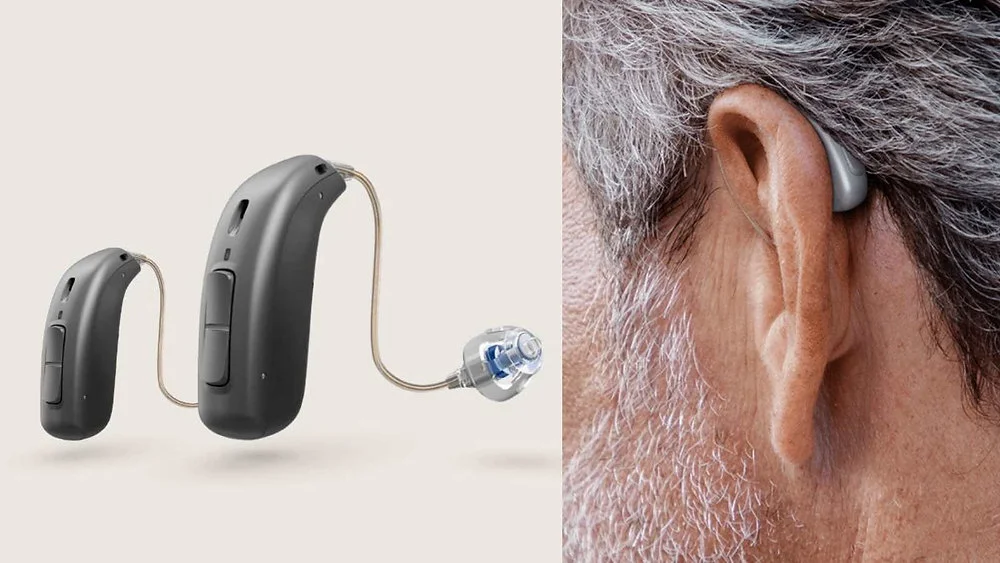
BTE devices sit behind the ear and send sound through a small tube or thin wire. They are durable, easy to handle and suitable for mild to profound hearing loss. Because they are sturdy and simple to clean, they are a popular choice for senior citizens. Prices typically start at the lower end of the market and rise with technology level.
Receiver-in-Canal (RIC) Hearing Aids
RIC devices are small and discreet, with the speaker placed in the ear canal. They give natural sound quality and are a favourite among first-time users. Their prices usually fall in the mid to premium range.
In-the-Ear (ITE) and Completely-in-Canal (CIC) Hearing Aids
These custom-made devices fit inside the ear and are almost invisible. They suit people who want a discreet look. Because each device is made from an impression of your ear, the cost is generally higher, and they may not suit severe hearing loss or people with dexterity problems.
Rechargeable Hearing Aids
Rechargeable models remove the need to change tiny batteries. They are convenient, especially for older adults, and many people find the extra cost worthwhile over time. Expect a small premium compared with battery-operated versions of the same model.
Key Factors That Affect Hearing Aid Cost
1. Technology level. More advanced chips analyse speech and background noise faster, reduce wind and sudden loud sounds, and adjust automatically as you move between environments.
2. Brand and model. Established global brands usually cost more than entry-level or lesser-known options, but they typically come with better support and warranty coverage.
3. Features. Bluetooth streaming, app control, tinnitus masking and directional microphones all add to the price.
4. Degree of hearing loss. Severe loss may need more powerful devices, which can cost more.
5. Services included. A good purchase includes a proper hearing test, programming, fitting, follow-up visits, cleaning and counselling. Always ask what is included and what is charged separately.
6. Warranty and repair support. Most hearing aids come with a one to three year warranty. A longer warranty can justify a higher upfront price.
Why a Hearing Test Comes First
Never buy a hearing aid without a proper hearing evaluation. A pure tone audiometry test shows the type and degree of your hearing loss, and that result decides which device will actually help. Buying based on price alone often leads to disappointment, because a device that is too weak or too powerful will not give clear speech.
A professional will also check for medical causes such as wax buildup, infection or fluid in the ear. If something needs treatment by an ENT doctor, you should know that before spending money on devices.
Why Choose EarMart for Hearing Aids in Pune Kondhwa
EarMart focuses on helping people find hearing solutions that suit both their hearing needs and their budget. Here is what you should look for in a hearing care provider, and what EarMart aims to deliver:
Honest guidance on which technology level you actually need
A clear, written quotation with no hidden charges
A range of styles and price levels to choose from
Proper fitting and programming, followed by adjustments as you adapt
Support for repairs, servicing and accessories
A friendly experience for first-time users and senior citizens
Confirm current offers, brands available and clinic timings directly with the EarMart team before your visit.
Tips to Get the Best Value for Your Money
Compare total value, not just price. A slightly cheaper device without follow-up care often costs more in the long run.
Ask for a trial period. Many hearing care providers allow you to test devices in daily life before you decide. Hearing in a quiet clinic is very different from hearing in a busy market or family gathering.
Match the device to your lifestyle. If you spend most of your time at home, a mid-range or basic model may be enough. If you attend meetings, travel or socialise often, better noise handling is worth considering.
Do not delay. Untreated hearing loss can lead to social withdrawal, difficulty at work and reduced awareness of your surroundings. Starting early also helps your brain adapt more easily.
Check battery and maintenance costs. Disposable batteries cost money every month, while rechargeable models cost more upfront but save on ongoing expenses.
Keep expectations realistic. Hearing aids improve hearing but do not restore it to normal. Most people need a few weeks to adjust to the new sounds around them.
Signs You May Need a Hearing Aid
Consider booking a hearing test if you notice any of these:
You often ask people to repeat themselves
You find it hard to follow conversations in crowded places
Other people say your TV or phone is too loud
You struggle to hear women’s or children’s voices
You hear ringing or buzzing in your ears
You feel tired after long conversations because of the effort of listening
Government Schemes and Financial Support
Some people may be eligible for assistive device support through government schemes, particularly senior citizens and persons with disabilities. Ask your hearing care provider or local social welfare office about current eligibility. Some providers also offer EMI options, so ask about payment plans if the upfront cost is a concern.
How to Book a Hearing Test in Kondhwa
Getting started is easy. Contact EarMart, share your availability and arrange a hearing evaluation. Bring any previous test reports or prescriptions, and if possible, bring a family member who can share what they have noticed about your hearing. After the test, you will receive a clear explanation of your results and device options with transparent pricing.
Frequently Asked Questions (FAQs)
1. What is the average hearing aid price in Pune Kondhwa?
Prices usually range from about ₹10,000 per ear for basic digital models to ₹1,50,000 or more per ear for premium devices. The final cost depends on the brand, technology, style and services included.
2. Which hearing aid is best for senior citizens?
Behind-the-ear and receiver-in-canal models are popular because they are easy to handle and clean. Rechargeable versions are also helpful for people who find small batteries difficult to change.
3. Are expensive hearing aids always better?
Not always. The best hearing aid is the one that matches your hearing loss, lifestyle and budget. A hearing test and professional advice will help you avoid paying for features you do not need.
4. Do I need two hearing aids or just one?
If you have hearing loss in both ears, using two devices generally gives better clarity, easier understanding in noise and improved sense of direction for sounds.
5. How long do hearing aids last?
With good care, most hearing aids last around four to six years. Regular cleaning and servicing help extend their life.
6. Can I try a hearing aid before buying?
Many hearing care providers offer a trial period. Ask about trial terms at your appointment so you can test the device in real situations.
7. Is a hearing test necessary before buying?
Yes. A hearing test identifies your type and degree of hearing loss and ensures the device is programmed correctly for you.
8. Are rechargeable hearing aids worth the extra cost?
For many users, yes. They remove the need for frequent battery replacement and are convenient for people with limited dexterity or vision.
9. Do hearing aids come with a warranty?
Most come with a manufacturer warranty of one to three years. Ask what the warranty covers, including repairs and loss or damage, before purchasing.
10. How do I book an appointment with EarMart?
Contact EarMart through the details on their official channels to schedule a hearing test and consultation.